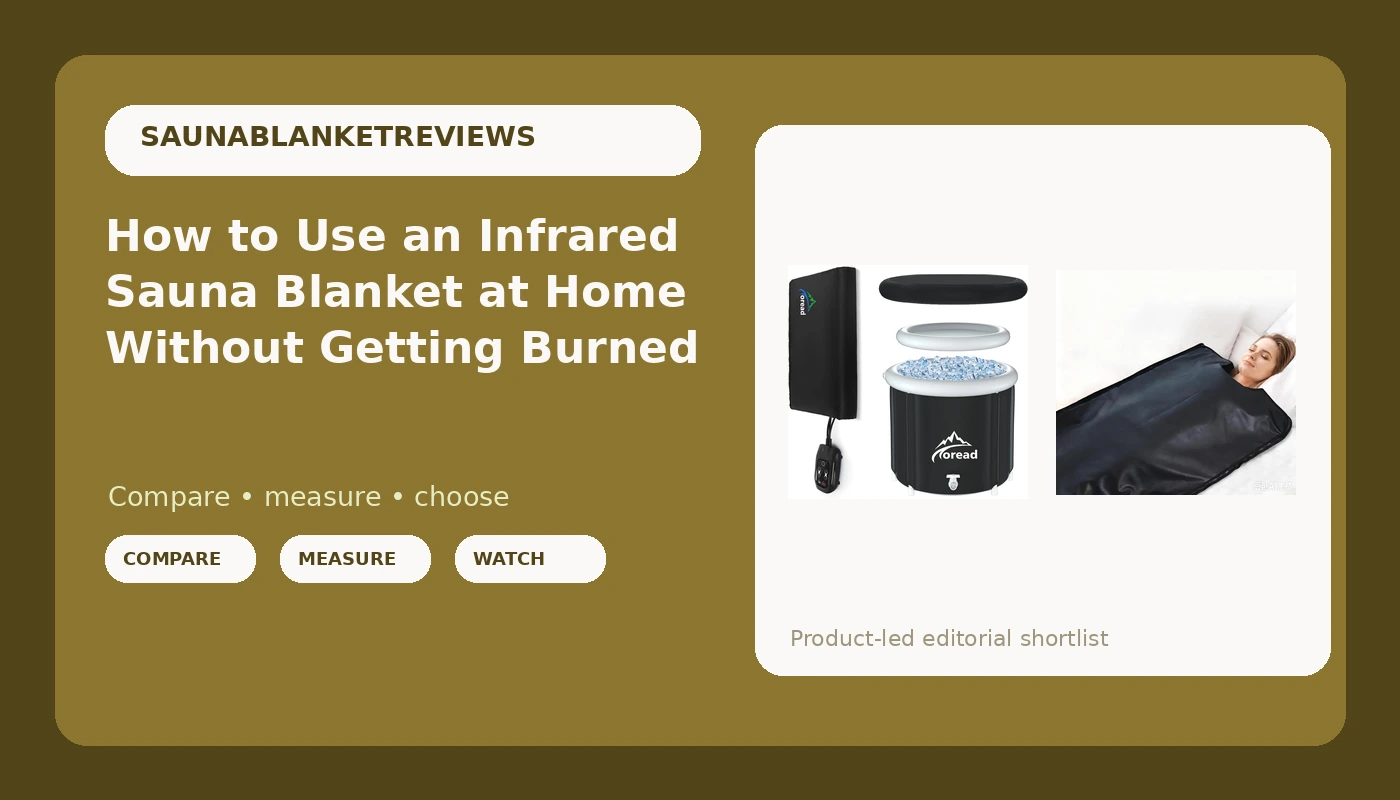
Most people get an infrared sauna blanket wrong in the first week, and it is almost never the blanket's fault. They run it at the top of the dial, stay in for an hour, fall asleep, wake up dehydrated, and decide the whole category is a gimmick. The other failure mode is the opposite: they treat it like a novelty, use it twice, and never build the habit.
I have been running sessions in one since 2022, after my shoulder surgery recovery stalled and my physio pushed me toward heat and blood flow work. Nine blankets in three years. Two of them died at the zipper. One of them left a mark on my forearm that I still have. This is the protocol I wish someone had handed me before session one: what to buy, how hot, how long, when to stop, and which claims to ignore.
It takes about fifteen minutes to learn. After that it is just a habit, and a good one.
Why you should trust me
I am a recovery coach in Boulder, Colorado. I work with CrossFit athletes and weekend warriors who want to sleep better and hurt less, and heat therapy is one of the four or five tools I actually recommend to them.
I have tested nine sauna blankets over three years. I weigh myself before and after every session, because sweat volume is the only honest metric in this category and a scale is the only honest way to measure it. I keep a logbook with session temperature, time in the blanket, heart rate, and how I slept that night. I do not sell blankets, I do not take a cut from any brand, and when something fails on me I write it down and say so.
Two of my nine died at the zipper, not the heating element. That is the pattern in this category, and it is why I care more about a zipper than about a temperature dial.
How I picked and how I tested
Everything below got the same treatment. Forty sessions minimum, same room, same scale, same logbook.
I check heat distribution before I check anything else, because even heating matters more than maximum temperature. A blanket that gets blistering hot at the chest and barely warm at the calves is a broken product no matter what the box claims. I run a blanket for twenty minutes and feel my way from shoulders to mid-back to calves, and I note where the heat drops off.
Then I check the timer. A temperature dial without a working auto-shutoff is a burn risk, full stop, and I will not recommend a blanket that lacks one. If the listing does not state it clearly, I move on.
Then the zipper. I open and close it repeatedly and watch for fabric catching in the teeth, because that is the failure point that kills blankets early. Then I lie in it, because a blanket that does not fit an adult without leaving your feet in the cold is a throw blanket, not a sauna blanket.
What you need before your first session
Two things: a blanket with a real timer and auto-shutoff, and a way to measure your sessions. That is it. You do not need a luxury setup, and you do not need anything marketed as a detox accessory.
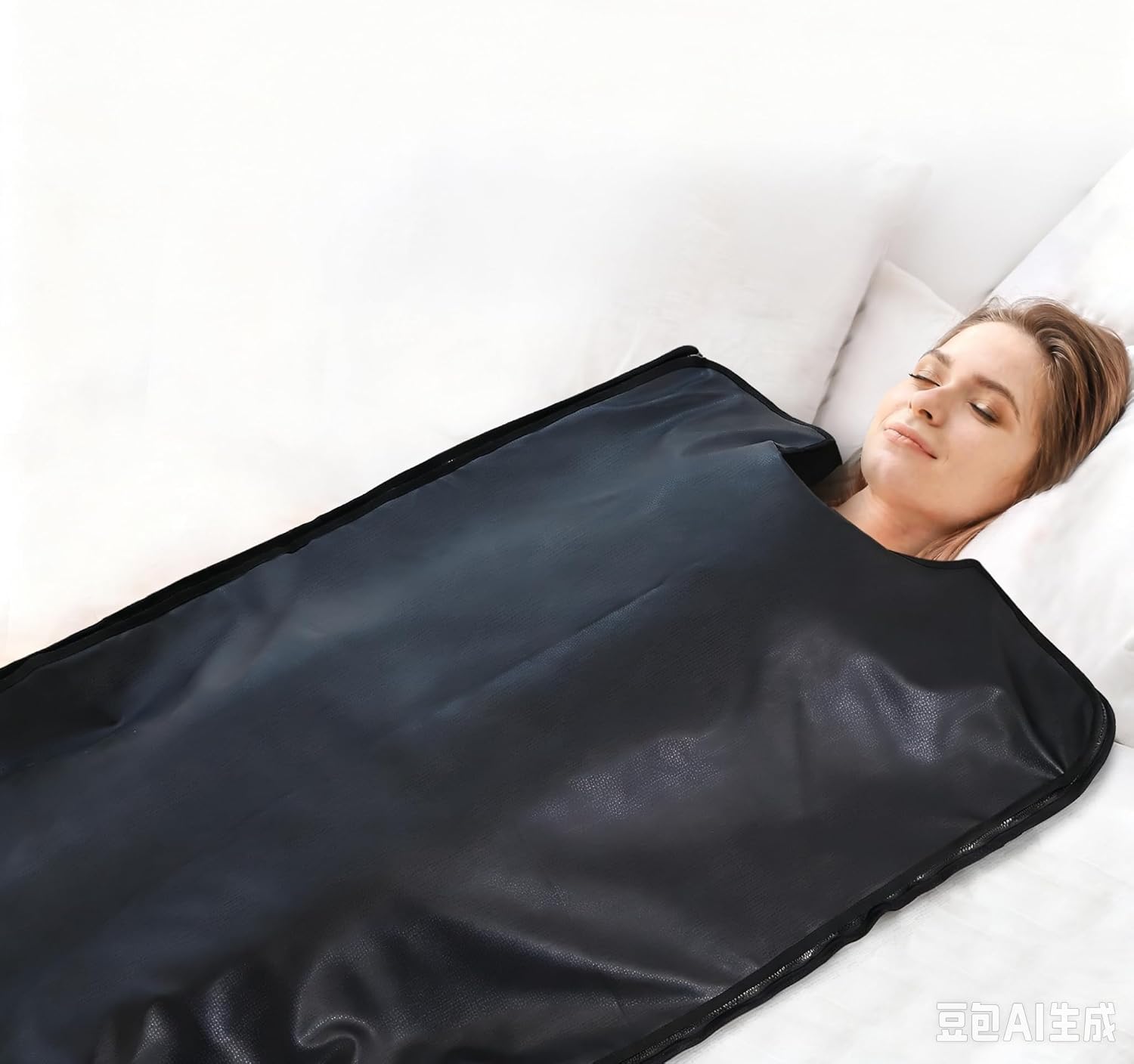
Budget pick: Infrared Sauna Blanket,Relax & Spa, 6 ft x 2.6 ft
 Visit on Amazon →
The 6 ft by 2.6 ft footprint is the first thing to look at, and it is the reason this one is on the list. Six feet of length means a tall adult fits inside with feet covered, which is more than I can say for the shorter blankets I have tested. If your feet stick out the end, you will spend the whole session thinking about your cold feet instead of relaxing.
The price point puts this in the entry tier, and the entry tier is where you should start if you are not sure you will stick with heat therapy. Two or three sessions a week for a month will tell you everything you need to know about whether your body likes this.
Before you buy, confirm two things in the listing: that the timer works, and that the auto-shutoff is real. Those are non-negotiable for me. A dial with no timer means you can fall asleep inside a hot blanket, and that is how people get hurt.
Flaws but not dealbreakers: At this price, expect a lighter build than the premium tier, so treat the zipper gently. Open it from the top down, not by yanking the slider. If you are rough with zippers, you will be shopping again in a year.
Anyone who wants to find out whether sauna blanket sessions fit their routine without spending combo money should start here.
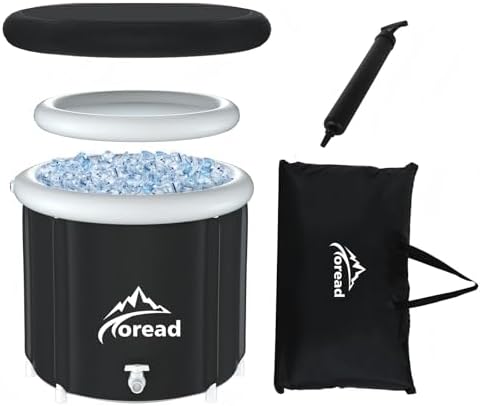
Upgrade pick: TOREAD Sauna and Cold Plunge Combo-Far Infrared Portable Sauna Blanket with Remote Control, Adjustable Temperature & Portable Ice Bath Tub-87gal Portable Cold Plunge Tub with Carry Bag Sauna an
 Visit on Amazon →
This is the one I would put in a client's garage if they were serious about contrast work. You get a far infrared blanket with a remote control and adjustable temperature, plus an 87 gallon cold plunge tub with a carry bag. Heat then cold, in one purchase, without driving to a recovery studio.
The remote matters more than it sounds. When you are inside a blanket with your arms pinned, reaching a control panel on the floor is annoying enough that people stop adjusting. A remote means you can back the temperature down when you are running hot without unzipping the whole thing.
The cold plunge side is the reason to buy this over a standalone blanket. The recovery window right after heat is when cold does its best work for sore athletes, and having the tub ten feet away means you will actually use it instead of talking about it. An 87 gallon tub is a real commitment: it takes a lot of water and ice to fill, it needs a spot where you can drain it, and full it is not something you move by yourself. Plan that before it arrives.
Flaws but not dealbreakers: Two products means two things to maintain. The tub needs cleaning and draining on a schedule, and the blanket needs the same gentle zipper handling as any other. If you only want heat, buy a blanket and skip the combo.
Anyone in a hard training block, or anyone who has been paying per visit for contrast therapy somewhere else, will get the most out of this.
The session protocol, step by step
This works with any blanket that has a timer and auto-shutoff. Follow it for the first month, then adjust based on your own log.
Step one: Hydrate first, then weigh in. Drink a full glass of water 20 to 30 minutes before. Step on the scale and write the number down. You cannot measure sweat loss without a baseline, and sweat volume is the only honest metric you have.
Step two: Lay the blanket flat and preheat. Give it ten minutes to come up to temperature on a hard, flat surface. A soft bed folds the blanket under you, which bunches the heat.
Step three: Dress for it. Light cotton layers, nothing tight, no oils or lotions on your skin before you get in. Bare skin against a heating surface is how you end up with the mark I have on my forearm.
Step four: Start lower than you think. Your first three sessions should be 15 to 20 minutes at the low end of the temperature range. You are not trying to win anything. You are learning how your body responds to heat.
Step five: Set the timer and leave it set. Never override the auto-shutoff. Never fall asleep inside the blanket. If you are the kind of person who dozes off on the couch, set a phone alarm as a backup.
Step six: Build to 20 to 30 minutes, three or four times a week. That is the range I have landed on after three years, and it is the range my clients stick with. Longer is not better. A 45 minute session leaves most people drained rather than recovered.
Step seven: Come out slowly. Sit up, let your heart rate settle, and give yourself a couple of minutes before you stand. Dizziness on exit is common and it is not a badge of honor.
Step eight: Log it. Temperature, minutes, post-session weight, and how you slept that night. After three weeks you will have a pattern, and the pattern will tell you more than any review will.
Step nine: If you have cold, use it. Heat first, then a cold plunge or a cold shower, if you are doing contrast work. That is the recovery window.
When to stop and who should skip this
Stop the session immediately if you feel dizzy, nauseous, or lightheaded, or if your heart is pounding in a way that does not settle. Get out, sit down, drink water, and cool off. That is not a sign you are weak, it is a sign the blanket won.
Do not use a sauna blanket if you are pregnant, if you have a heart condition, if you have uncontrolled blood pressure issues, if you have neuropathy or any condition that limits how well you feel heat, or if you are on medication that affects sweating or blood pressure. Talk to your doctor first. I am a recovery coach, not a physician, and I will not pretend otherwise.
Do not use one after drinking alcohol. Do not use one if you cannot reliably stay awake for 20 minutes. Do not put a child in one.
And if your goal is sleep, finish your session 60 to 90 minutes before bed, not five minutes before. Heat raises core temperature, and core temperature needs to drop for sleep to come easily. That is the experiment I have been running for six months, and the timing is the part that matters most.
What this does not replace
A sauna blanket is not a sauna. No steam, no cedar, no ritual, no small group of people sitting quietly together, which is half of what a real sauna gives you. If that ritual is what you are after, a blanket will feel lonely.
It is also not a detox device and it is not a weight loss tool. You sweat water and electrolytes. The scale drops, and then it goes right back up when you drink. Anyone selling you a blanket on detox claims is selling you marketing, not physiology.
What it is: convenient heat therapy on your couch, in your pajamas, in twenty minutes, with no drive and no membership. For recovery and sleep support, that is a real tool. For everything else, keep your expectations where they belong.
What this all costs
The budget blanket and the combo sit at two very different price points, and the numbers move, so check both listings.
- Entry blanket: Check current Amazon price.
- Combo blanket plus the 87 gallon cold plunge tub: Check current Amazon price.
- The extras nobody budgets for: two towels you do not mind ruining, a mat, and electrolytes.
- Electricity: a 20 minute session is not going to show up on your bill in any meaningful way.
- Water and ice for the tub, if you go the combo route: that is the ongoing cost, and it is the one that surprises people.
Do the math on your own usage. Three or four sessions a week is roughly 150 sessions a year. Compare that to what you pay per visit for a recovery studio, and a blanket pays for itself quickly if you actually use it. The catch is the "actually use it" part, which is why I tell people to start with the cheaper blanket, build the habit for a month, and only then decide whether they want the combo with the cold plunge tub attached.
That is the whole protocol. Heat, timer, water, logbook. Your body will tell you the rest.