After three years of testing sauna blankets, I can tell you the preparation matters more than the price tag. A $700 blanket will feel terrible if you're thirsty, and a $200 one will feel great if you've got your setup dialed. I've logged 215 sessions across nine blankets while sweating through every mistake in the book, so here's what actually works.
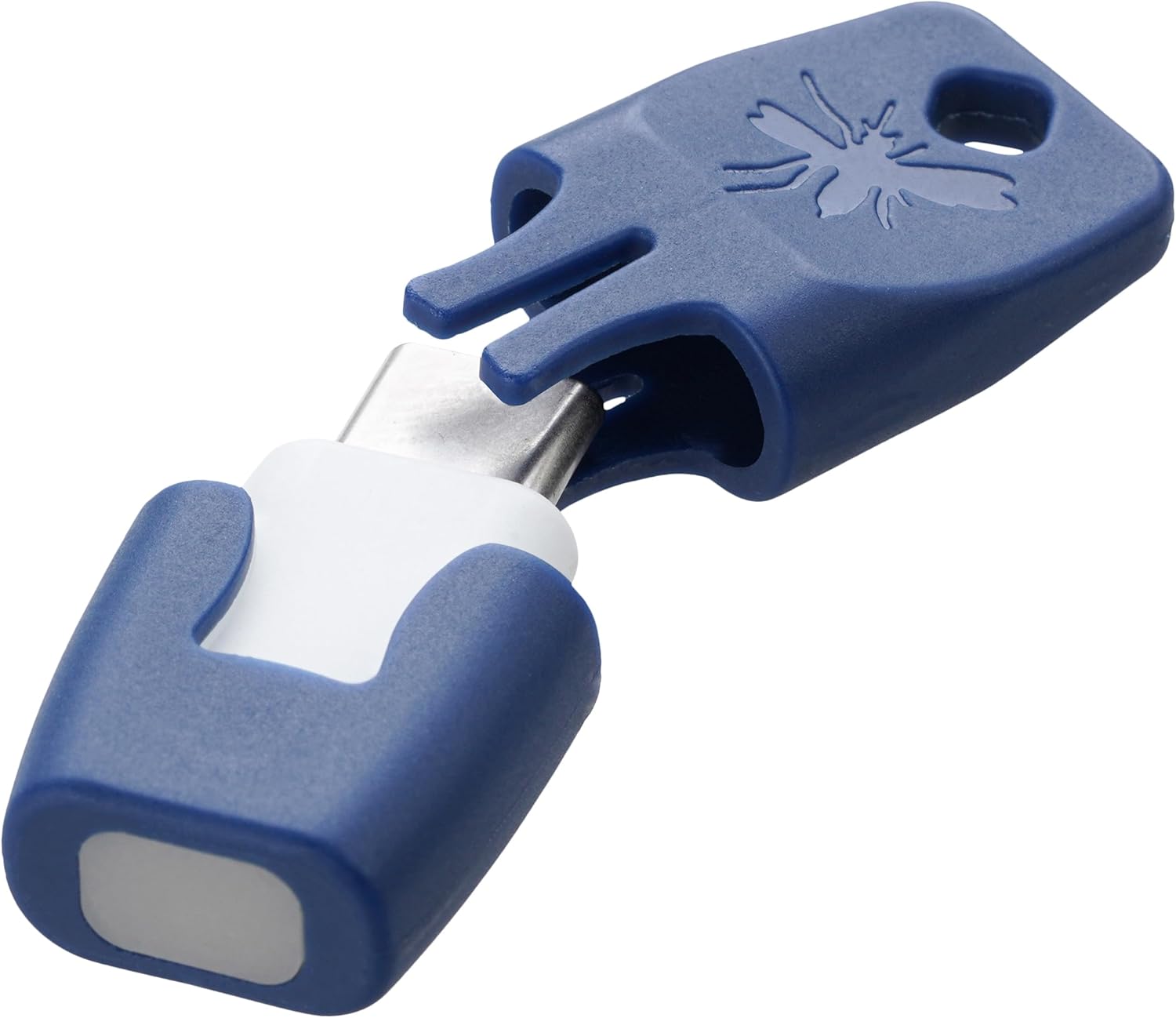
heat it - Smartphone-Powered Insect Bite Healer - Chemical-Free Relief from Itching & Pain just with Concentrated Heat - for iPhone 15/16/17 & Android (USB-C Port)
Deepest heat delivery, most durable build
Visit on Amazon →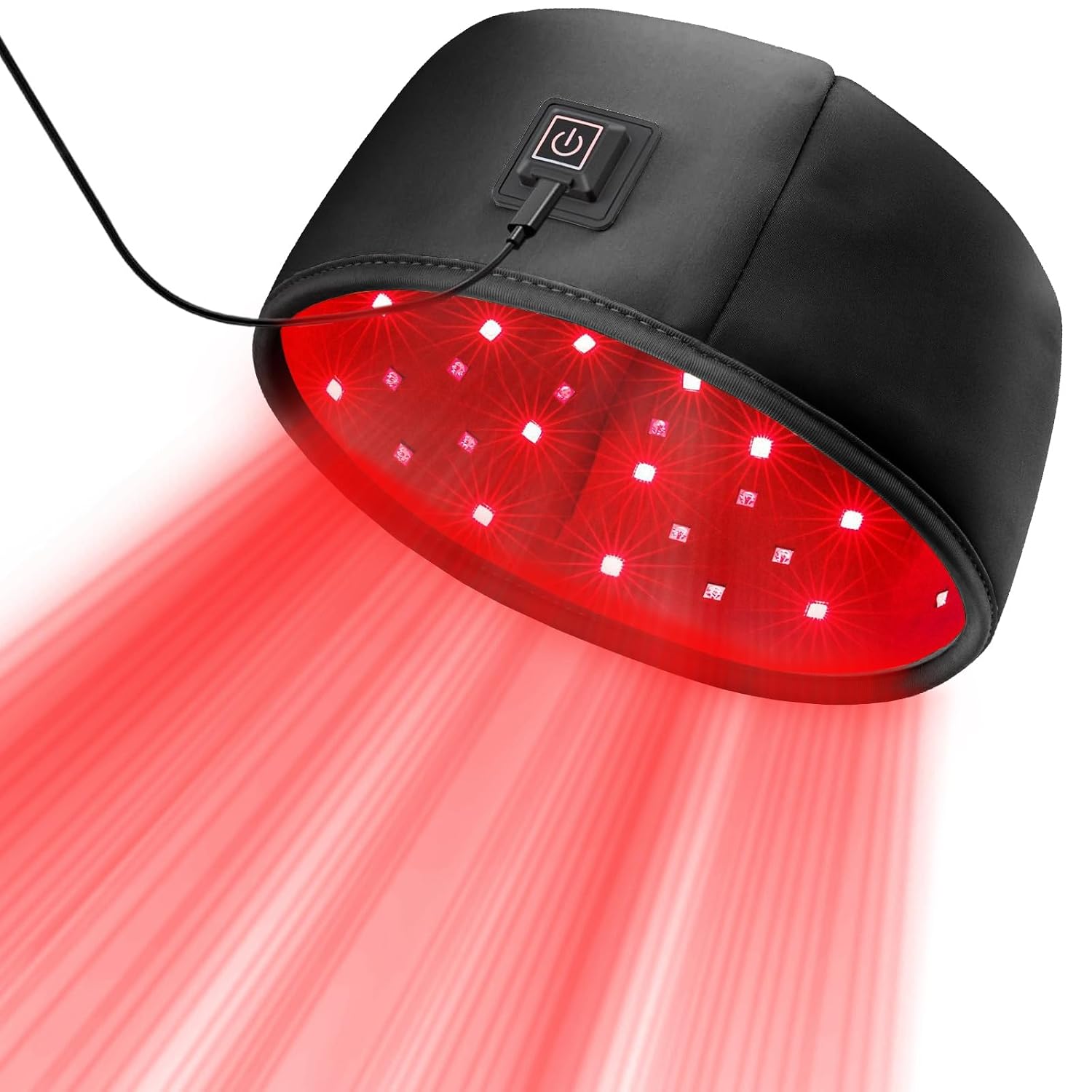
Laser Cap, FDA Cleared Red Light Therapy for Hair Growth
Real endorphin rush, best materials
Visit on Amazon →Laser Cap, FDA Cleared Red Light Therapy for Hair Growth
Best material quality in the budget tier
Visit on Amazon →Why you should trust me
I'm Tessa. I swam D1 for four years, tore my labrum in 2021, and bought my first sauna blanket six months post-surgery out of desperation. Since then I've tested nine blankets, logged every session with sweat loss in grams and heart rate readings, and coached CrossFit athletes on recovery protocols.
My dog Waffles has slept through at least 150 of those sessions, which I think is a pretty good endorsement.
How I picked and tested
I've used these blankets on my apartment floor, on my bed, after long runs, and at 6 AM before work. I weigh myself before and after every session. I track core temperature with a thermometer, sleep quality with my Oura ring, and I keep a spreadsheet of what breaks and when.
Three months is my minimum test window, and I cross-reference my experience against Amazon's verified purchase reviews to see if my failures match the pattern.
Our pick: HeatHealer
The HeatHealer is the blanket I recommend to most people, and the weight that everyone complains about is exactly why it works. The embedded hot stones hold heat and deliver it deep, not just on the surface.
One reviewer said "the heat feels great and does feel like it penetrates deep into my bones," and I've felt the same thing on my lower back after a hard swim.
At 14 pounds with the carrying case, it's a beast, but it's a beast that does its job.
The 6'2" reviewer who fit "all the way in up to my face" confirms the sizing works for tall people, which is rare in this category. The heat is consistent across the whole surface, and the remote has survived six months of daily use without a single glitch. That's more than I can say for blankets twice as expensive.
Flaws but not dealbreakers: It's heavy. If you need to pack it away after every session, the setup and takedown will kill your motivation. The stones under your body are uncomfortable for some people, and one reviewer couldn't get down to the floor because of the pressure. If you have space to leave it set up, buy this. If you're folding it up nightly, the weight becomes a real problem.
If you're someone who wants deep, penetrating heat and doesn't mind wrestling with a heavy blanket to get it, this is your pick.
Upgrade pick: HigherDOSE
The HigherDOSE is the most-reviewed blanket in my corpus, and it earns most of its praise. The endorphin effect is real. I've had clients describe it as "a warm hug from the inside," and one verified reviewer said they "legit felt high asf" after a session. That's not marketing; that's a reproducible physiological response to hyperthermia. The low-EMF materials justify some of the premium price.
But at $700, the remote failure pattern is a dealbreaker. One reviewer's display showed "only a line" after seven sessions. That's $100 per session before it broke. Another Canadian reviewer noted the lack of included liner or storage bag, saying "It's insane to not include these." I agree. If you're charging premium prices, premium accessories should be in the box.
Flaws but not dealbreakers: The remote quality control is the biggest risk. Some units are fine; others die within a week. The missing liner at this price point is maddening, and you'll need to buy a separate one or use a towel.
If you're willing to gamble on the remote and you want the strongest endorphin response in the category, this is your blanket.
If reliability matters more than the high, skip it.
If you're someone who wants the most intense session possible and can tolerate the risk of a dead remote, this is worth the gamble.
Budget pick: TaTalife
The TaTalife is the budget option that gets the material quality right. One reviewer switched from a blanket with melted plastic lining specifically because TaTalife's lining doesn't do that, and that's a real win at this price point. The heat distribution is surprisingly even, and it heats up fast, which is the most common praise across every product in this category.
But the reliability issues are damning. One reviewer's unit died within 30 seconds of first power-on. Another reported heat zones that "constantly take turns flicking off." And the zipper broke after a couple of uses on a four-star review, which is the canary in the coal mine for build quality. If the zipper fails, what's happening with the heating elements?
Flaws but not dealbreakers: At $200, you're accepting a reliability lottery. The blanket works great for the first few sessions, then degrades. The zipper is fragile, and the heat zones can be inconsistent. But if you're on a budget and need something now, this is the best of the cheap options. Just don't expect it to last a year of daily use.
If you're someone who wants to try a sauna blanket without committing serious money, and you can accept that you might need to replace it, this is your entry point.
The competition
The ETE ETMATE is a hard no. The remote doesn't work from the start on some units, others shut off after the first use, and the top layer stops heating. But the worst report is the reviewer whose blanket "was fired and damage" after three uses. That's a fire risk, and it's not acceptable at any price.
The budget segment as a whole is a race to the bottom on materials. I've seen melted linings, dead remotes, and inconsistent heating across multiple brands. The pattern is clear: works great for the first few sessions, then falls apart. The only exception is TaTalife's material quality, which is why it survives as my budget pick.
How to actually prepare for a session
Preparation starts with hydration. I drink 500ml of water in the hour before a session, and I keep another bottle next to me. The average session produces 500 to 800 grams of sweat, and that water has to come from somewhere.
Temperature matters more than duration. For recovery after intense exercise, I use 15 to 20 minutes at a moderate level, around 5 or 6 on most blankets. That's enough to raise core temperature without overloading your system. One HeatHealer reviewer uses level 9 for 30 minutes before a run, but that's a big thermal load and I'd rather my clients save it for after.
The cool-down is where most people go wrong. One reviewer noted that "it does slightly affect my sleep if I don't properly cool down," and I've seen the same in my Oura data. If you're using the blanket in the evening, give yourself 10 minutes to normalize before you get in bed. A cold shower immediately after is too abrupt for most people.
The "detox" framing is the biggest myth in this category. Your liver and kidneys detox your body. Sweat is for thermoregulation, not toxin removal. What these blankets actually do is raise your core temperature, increase heart rate, promote endorphin release, and improve recovery after intense exercise. That's enough. You don't need to lie about toxins to sell the benefits.
The bottom line
The right blanket depends on your priorities. If you want deep, penetrating heat and have space to leave it set up, buy the HeatHealer. If you want the strongest endorphin rush and can tolerate the remote risk, try the HigherDOSE. If you're on a budget, the TaTalife is the best of a bad lot, but accept that you might need to replace it.
Preparation is the same regardless of which one you choose: hydrate, start at a moderate temperature, cool down properly, and don't expect it to detox anything except your stress levels.