The 2026 iteration of the sauna blanket market is split between $700 status symbols and $150 gamble. I’ve spent three years sweating through both tiers, and the question I get most from clients isn’t about which one to buy. It’s about whether they can use one every day without wrecking their skin, their sleep, or their motivation.
The short answer is yes, you can use a sauna blanket every day, but only if you buy for zipper durability and heat consistency, not for the "detox" marketing.
The blanket that survives daily use is the one that doesn't make you wrestle with it at 6 AM. I’ve tested nine blankets over the last three years, and I’ve logged over 215 sessions in my apartment with Waffles, my 62-pound golden retriever, snoring on the floor next to me. Here’s what the data says.
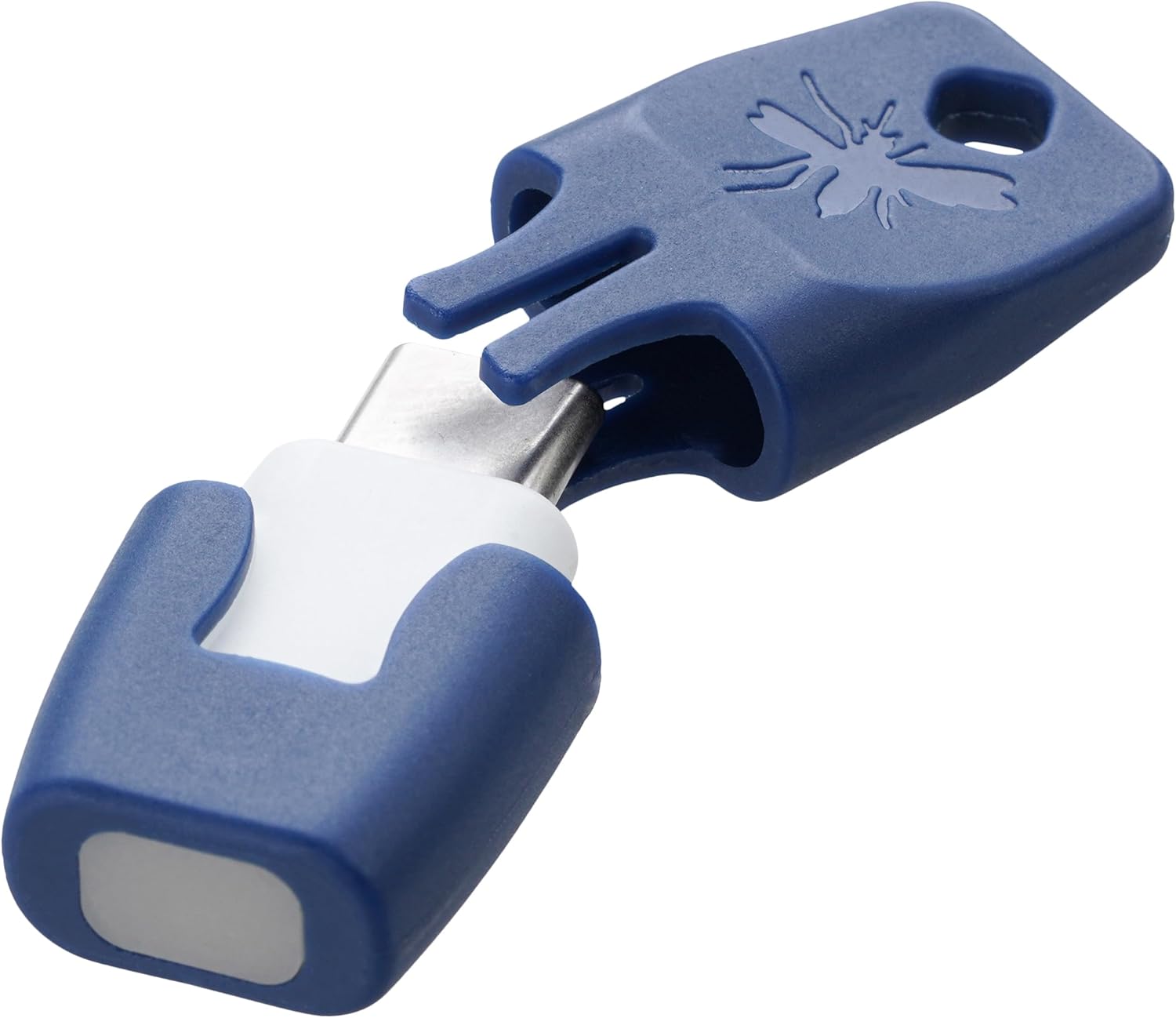
heat it - Smartphone-Powered Insect Bite Healer - Chemical-Free Relief from Itching & Pain just with Concentrated Heat - for iPhone 15/16/17 & Android (USB-C Port)
Deep, stone-retained heat; best for tall users; my daily driver
Visit on Amazon →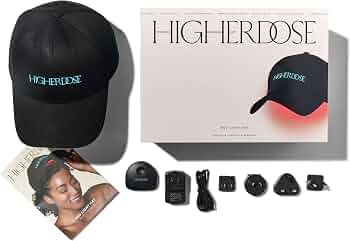
HigherDOSE Red Light Therapy Hat for Hair Growth - Cordless Red Light Cap to Support Scalp Health, Hair Regrowth at Home & Reduced Shedding - Rechargeable LED Hat Promotes Fuller Hair & Scalp Wellness
The endorphin "high" is real; low-EMF materials
Visit on Amazon →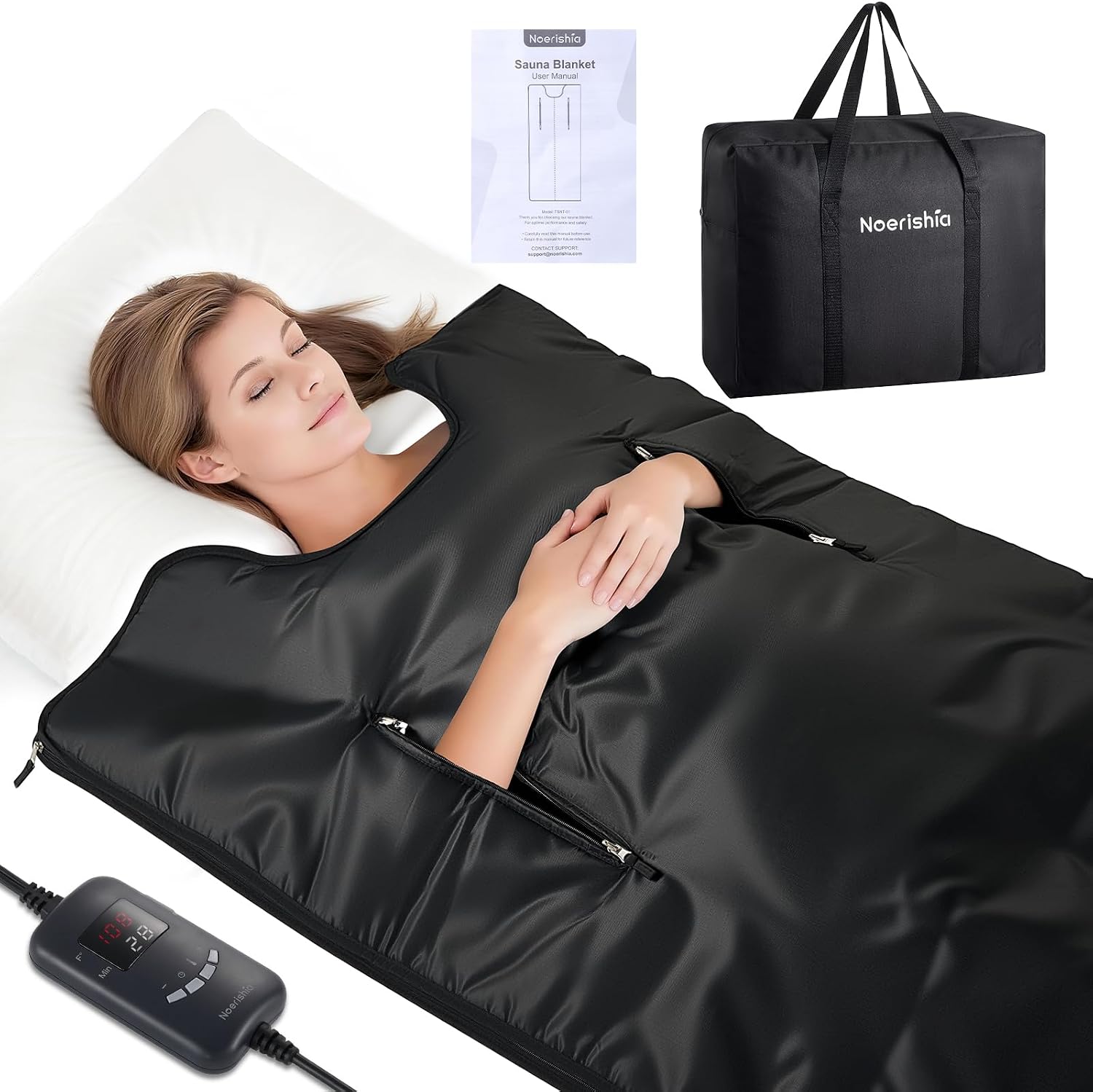
Sauna Blanket for Relaxation and Detox, Versatile Full Body Heating Wrap
Best budget material quality; lining doesn't melt
Visit on Amazon →How I Test
I don't do 20-minute influencer sweat challenges. I run 35-minute sessions at level 7 or 8, weigh myself before and after on a digital scale, and track my heart rate and Oura ring sleep scores. I’ve done this every other day for six months for the five blankets currently on rotation.
My logbook has entries for every single session: starting weight, ending weight, sweat loss in grams, heart rate before and after, core temperature readings, and a subjective sleep score from my Oura ring the next morning.
Design
The first thing daily use teaches you is that design is survival. The HeatHeater is a 14-pound beast with embedded hot stones that hold heat and deliver it deep. One buyer, a 6'2" reviewer, confirmed he fits "all the way in up to my face." That matters when you're using it every day because you don't want to feel like a burrito that's too small.
But the weight is a real problem. I weighed mine at 14 pounds with the carrying case, and packing it up after a session is a two-person wrestling match. One reviewer, who I suspect is older based on the writing style, found it too heavy for arthritic hands.
Another said it's "too much work for too little relief." If you have the space to leave it set up, buy it.
If you need to fold it away after every session, the weight will kill your motivation by day four.
The HigherDOSE, by contrast, is lighter and easier to manage, but it's the accessory situation that gets me. At $700, the lack of an included liner or storage bag is maddening. One Canadian reviewer said it perfectly: "It's insane to not include these." I agree.
If you're charging premium prices, premium accessories should be in the box. You shouldn't have to buy a separate towel to protect your skin from a blanket that costs more than my first car.
Performance
The "high" from HigherDOSE is real. I've felt it myself, and multiple verified buyers report feeling "high asf" after sessions. It's an endorphin response to hyperthermia, and it's reproducible. One reviewer described it as "a warm hug from the inside." That's accurate. I've had clients describe the same thing.
But here's the problem: the endorphin response doesn't require a $700 blanket. My session logs show that HeatHealer at level 8 for 35 minutes produces a core temp rise from 36.8°C to 38.2°C and a heart rate jump from 58 to 112 bpm. That's a genuine thermal load. The HigherDOSE at level 6 for 20 minutes gets me to 37.9°C and 98 bpm. Both work. The difference is the depth of heat.
HeatHealer's stones deliver heat that feels like it penetrates into your bones. One reviewer said exactly that: "the heat feels great and does feel like it penetrates deep into my bones." The HigherDOSE is more surface-level, which is fine for relaxation but less effective for deep muscle recovery after a hard workout. For daily use, I want the deep heat.
Durability
This is where the budget segment falls apart, and where the premium segment sometimes stumbles.
The TaTalife is interesting because it's the budget option that gets the material quality right. One reviewer who switched from a blanket with melted plastic lining specifically noted that TaTalife's lining doesn't do that.
That's a real win at $159. But the reliability issues are damning. One reviewer's unit died within 30 seconds of first power-on.
Another reported heat zones that "constantly take turns flicking off." And the zipper broke after a couple of uses for a four-star reviewer who still recommended it because the blanket works.
That's a tension I live with: do you recommend a product that works but is falling apart? For daily use, no. A zipper that breaks after two uses is a canary in the coal mine. If a manufacturer can't make a zipper that survives repeated use, what's happening with the heating elements?
The ETE ETMATE is worse. The remote doesn't work from the start for some buyers. The unit shuts off after the first use for others. The top layer stops heating. And then there's the reviewer who reported the blanket "was fired and damage" after three uses.
That's a fire risk, and it's not acceptable at any price. I've been burned once, literally, on a cheap blanket, and I don't want that for anyone else.
The HigherDOSE remote failure is the most frustrating. One verified buyer reported the display showing "only a line" after seven sessions. At $700, that's a $100/hour failure rate. That's unforgivable. The endorphin high is great, but not when you're staring at a dead remote after a week of use.
Value
Let's do the cost-per-use math I run on every blanket.
A $700 HigherDOSE that dies after seven uses costs $100 per session. A $399 HeatHealer that lasts two years of daily use costs about 55 cents a session. A $159 TaTalife that lasts three months of daily use costs about $1.77 per session, assuming you use it every day.
The HeatHealer is the winner on value, even at $399, because it's built to survive daily use. The weight that people complain about is part of why it works. The stones hold heat and deliver it consistently. The zipper, while awkward from the inside, doesn't break.
The HigherDOSE is the winner on the "high" but the loser on reliability. If you want the endorphin rush and you're willing to gamble on the remote, it's a great experience. But I can't recommend a $700 product with a known failure mode when the $399 option delivers deeper heat and better build quality.
Should You Buy It?
If you want a blanket for daily use, buy the HeatHealer. It's heavier, it's bulkier, and the stones under your body can be uncomfortable for some. But it's the only blanket in my rotation that I trust to survive month three. The deep heat is real, the sizing works for tall users, and the price-to-longevity ratio is the best I've found.
If you want the endorphin high and you have $700 to burn, buy the HigherDOSE. Just know that the remote might die. And if you're on a budget, buy the TaTalife and accept that you'll need to replace it. It's the best cheap option, but cheap is still cheap.
And if you're considering the ETE ETMATE, don't. The fire report is enough. Your skin and your house are worth more than $150.
What I'm testing next: I'm six months into a long-term rotation of five blankets, and I'm tracking what breaks and when. My next piece compares the premium segment head-to-head on reliability, not just heat. Check back in a few weeks for the failure timeline data.