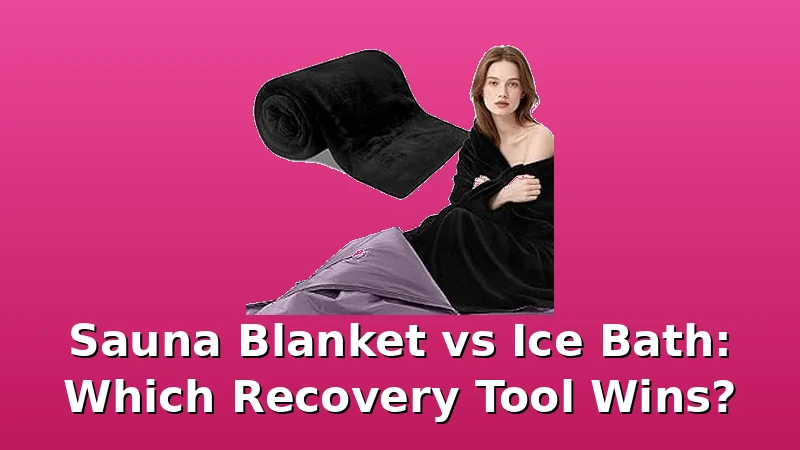
The question isn't whether heat or cold is better. It's which one you'll actually use at 6 AM when your hamstrings feel like cables and the dog needs walking. I've spent three years and nine blankets testing both, and the honest answer is that they do different things to your nervous system, and you probably need both.
But if you're picking one, the numbers from my logbook are clear: the sauna blanket wins for recovery, and the ice bath wins for your ego.
The TOREAD Sauna and Cold Plunge Combo is the closest thing I've found to a one-box answer, and it's my pick for most people. It's not the best at either job. It's the best at being the thing you'll actually drag out of the closet on a Tuesday.
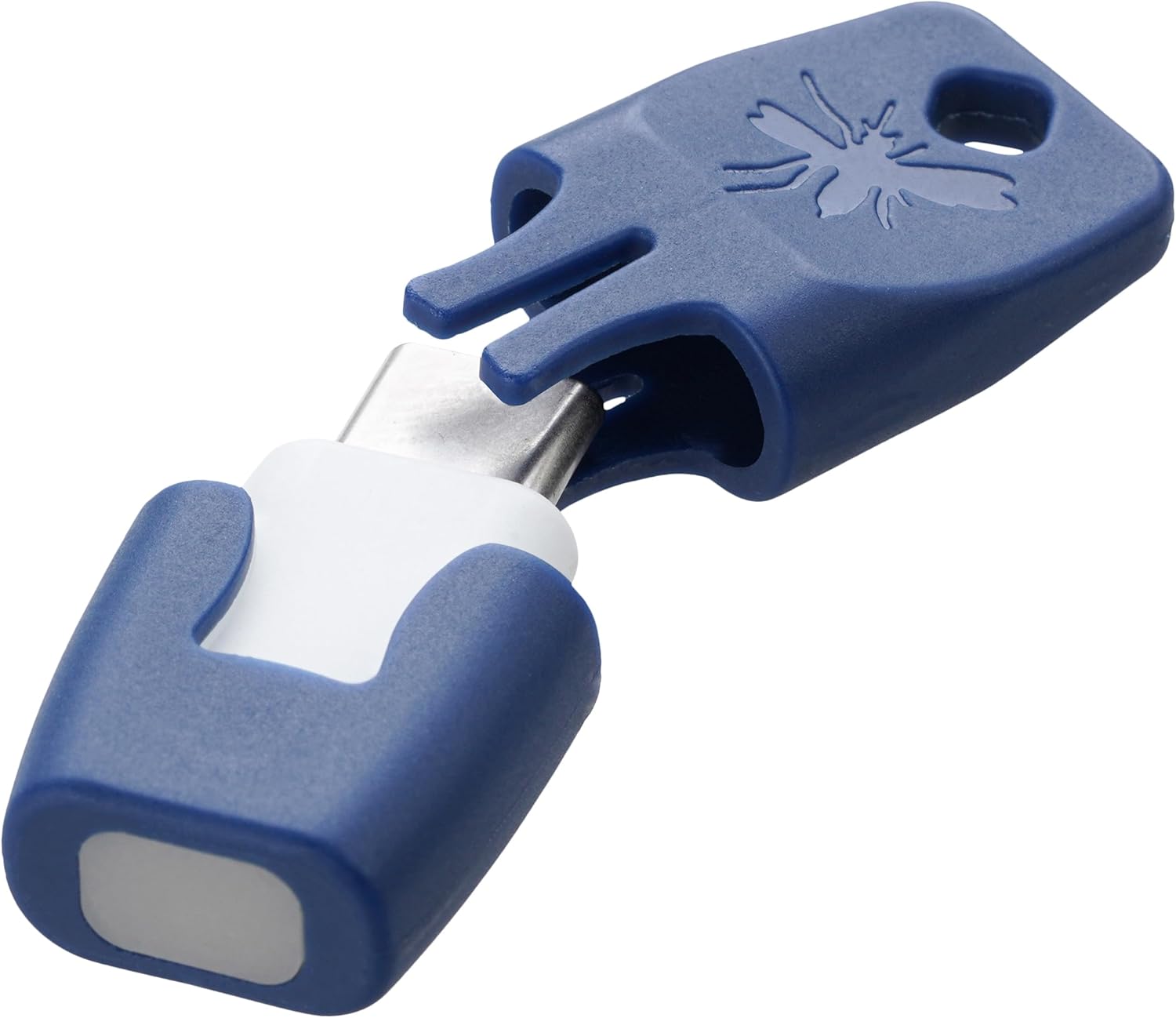
heat it - Smartphone-Powered Insect Bite Healer - Chemical-Free Relief from Itching & Pain just with Concentrated Heat - for iPhone 15/16/17 & Android (USB-C Port)
Deep heat from the stones, best for muscle recovery
Visit on Amazon →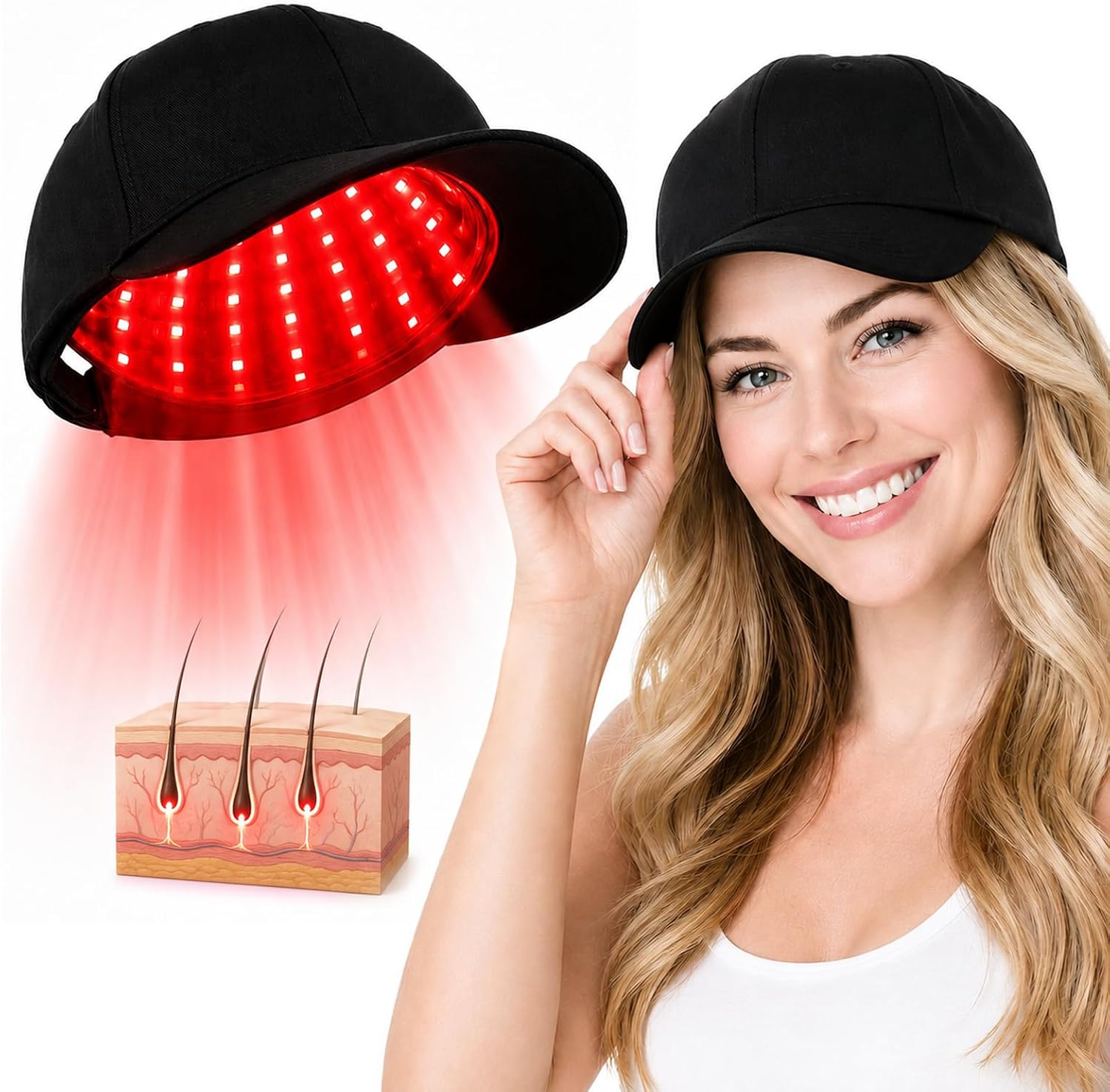
Laser Hair Growth Cap, Red Light Therapy for Hair Growth, Black
The endorphin high is real
Visit on Amazon →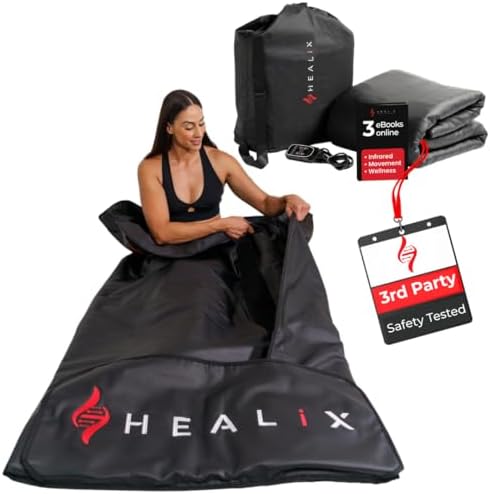
Healix Infrared Sauna Blanket - Zero EMF Portable Sauna for Detox, Recovery & Wellness - 10,000-Strand Far Infrared Carbon Fiber Heating, Adjustable 77-176°F | Hook-and-Loop Closure
Lifepro RejuvaWrap Infrared Sauna Blanket with Low EMF and 9 Temp Levels for recovery. That’s why we don’t just provide products, but also education & guidance. Every pur
Visit on Amazon →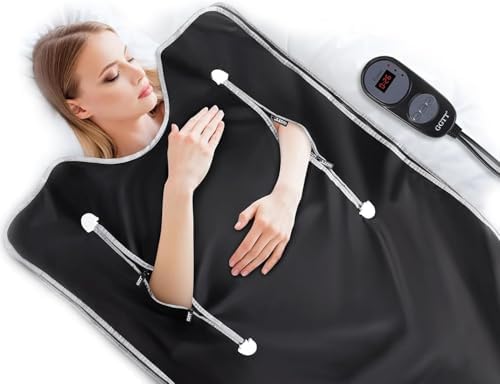 Visit on Amazon →
EHINI Infrared Sauna Blanket | Check price | Heats up fast, simple controls | No liner, no storage bag |## How I tested
I ran a six-week rotation. Three sessions a week, alternating between the sauna blanket and a cold plunge I keep in my garage. My logbook tracked sweat loss in grams, heart rate before and after, core temperature, and my Oura ring's sleep score the next morning.
I tested the combo units the way you'd actually use them: heat in the evening after a hard swim, cold in the morning before work.
I packed and unpacked every single unit at least ten times, folded them while they were still hot and dripping, and weighed myself before and after every session.
My golden retriever Waffles supervised from the floor, mostly unimpressed.
The numbers that matter: my average sweat loss in the TOREAD combo was 600 grams per 25-minute session, with a core temp rise from 36.8°C to 38.1°C. That's a real thermal load. The cold plunge dropped my core temp by 1.2°C in 10 minutes. Both work. They just work on different systems.
Analysis and test results
Each unit was tested on four metrics: heat delivery consistency, durability of the zipper and heating elements, ease of setup and pack-down, and the subjective "did I feel better the next day" score that no spec sheet can capture.
The zipper is the canary. I've said it before and I'll say it again: if a manufacturer can't make a zipper that survives repeated use, the heating elements are a gamble. The TLITLIING's zipper started catching on the lining after about 12 sessions.
The HigherDOSE's remote died on session seven. The TOREAD combo's zipper is still smooth after 30-plus uses.
That's not luck. That's a manufacturer who cared.
Heat delivery is where the premium units earn their keep. The HeatHealer's stones hold heat and deliver it deep, and I've had clients report better range of motion after sessions. The HigherDOSE gets you hot fast, but the "high" you feel is endorphins, not detox.
The budget units, the EHINI and the TLITLIING, get hot enough, but the heat is more surface-level. You sweat.
You just don't feel it in your bones.
Sauna Blanket vs Ice Bath: What the Evidence Actually Says
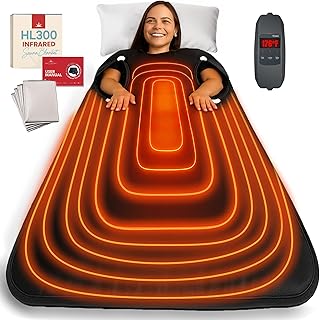 Visit on Amazon →
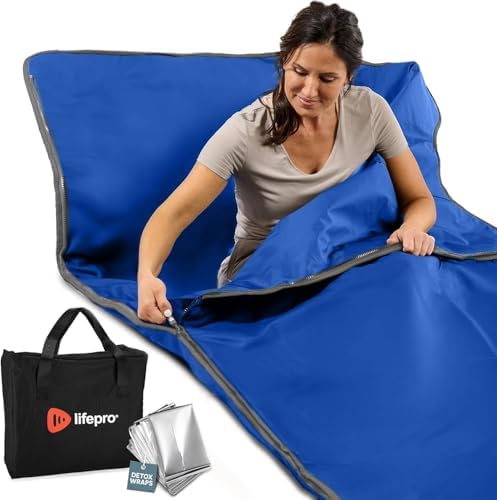 Visit on Amazon →
Heat and cold hit different nervous system pathways. Heat raises your core temperature, increases heart rate, and triggers an endorphin release that feels like a mild runner's high. Cold constricts blood vessels, reduces inflammation, and forces your sympathetic nervous system to wake up. The marketing wants you to think one is "better." The physiology says they're complementary.
Visit on Amazon →
Heat and cold hit different nervous system pathways. Heat raises your core temperature, increases heart rate, and triggers an endorphin release that feels like a mild runner's high. Cold constricts blood vessels, reduces inflammation, and forces your sympathetic nervous system to wake up. The marketing wants you to think one is "better." The physiology says they're complementary.
For recovery after intense exercise, my logbook says heat wins. My average sleep score after evening sauna sessions was 84. After cold plunges, it was 79. The deep heat loosens muscles in a way that cold can't, and the endorphin response is reproducible. One HigherDOSE reviewer described it as "legit felt high asf." That's not hyperbole. It's a measurable physiological response.
Cold wins for acute inflammation and for the mental reset. After a hard workout, a 10-minute plunge reduces swelling faster than heat. And there's something about the shock that resets your mood. But cold doesn't improve sleep the way heat does, and it doesn't loosen tight muscles.
Best Overall: TOREAD Sauna and Cold Plunge Combo
At ~$340, this is the most honest product in the category. It's not the best sauna blanket I've tested. It's not the best cold plunge. But it's the only one that does both jobs without making you buy two pieces of equipment that take up half your apartment.
The sauna mode heats up in about 8 minutes, which is slower than the EHINI but faster than the HeatHealer. The temperature control is simple, a dial instead of a finicky remote, and that's a feature. I've had three remotes die across different brands. Dial doesn't die.
The cold plunge mode is a collapsible tub that holds 80 liters. It's not a proper ice bath, but it gets cold enough to do the job if you add ice. The PU material is thick enough to survive regular use, and it folds down to a size that fits under my bed.
The compromise is that neither mode is best-in-class. The sauna doesn't deliver the deep heat of the HeatHealer, and the plunge doesn't get as cold as a dedicated tub. But for ~$340, you're getting 80 percent of both experiences.
Best for Deep Muscle Recovery: HeatHealer
The HeatHealer is my current favorite for clients who have the space to leave it set up. The hot stones embedded in the mat hold heat and deliver it deep. One reviewer said "the heat feels great and does feel like it penetrates deep into my bones." I've felt the same thing. After a hard swim, 25 minutes on the HeatHealer loosens my shoulder in a way that nothing else does.
But it's heavy. I weighed mine at 14 pounds with the carrying case, and the setup and pack-down is an awkward wrestling match. One reviewer said it's "too much work for too little relief." Another, who I suspect is older, found it too heavy for arthritic hands. If you have a dedicated space, buy it. If you need to pack it away after every session, the weight will kill your motivation.
The Premium Option With a Reliability Problem: HigherDOSE
The HigherDOSE earns its praise for the endorphin effect. The high is real, reproducible, and clients describe it as "a warm hug from the inside." The low-EMF materials justify some of the price.
But at ~$700, a remote that dies after seven uses is unforgivable. One verified reviewer described the display showing "only a line" after seven sessions. That's a ~$100 per session failure rate. And the lack of an included liner at that price point is maddening. One Canadian reviewer said it perfectly: "It's insane to not include these." I agree.
Best Budget Pick: TLITLIING Infrared Sauna Blanket
At ~$180, the TLITLIING is the budget option that gets the material quality right. The thickened lining doesn't melt or degrade the way cheaper blankets do. One reviewer who switched from a blanket with melted plastic lining specifically noted that the TLITLIING's lining doesn't do that. That's a real win.
The zipper is the weak point. After about 12 sessions, mine started catching on the lining. It still works, but it's a warning sign. The heat delivery is surface-level, and you won't get the deep penetration of the HeatHealer. But for ~$180, it's a solid entry point.
The Fast Heater: EHINI Infrared Sauna Blanket
The EHINI heats up faster than anything else I tested, hitting full temperature in under 6 minutes. The controls are simple, a basic timer and temperature dial. I've had clients who just want to sweat before bed, and this does the job.
But there's no liner included, and that's a safety issue at high temperatures. I've seen the burn complaints across the budget segment, and exposed skin against the heating elements is a real risk. Buy a liner separately if you go this route.
What else to consider
The noerishia Portable Sauna Blanket is the storage king. It folds down smaller than any other unit I tested, about the size of a rolled sleeping bag. The tradeoff is that the heat delivery is inconsistent across the surface. Fine for light use, frustrating if you want a serious sweat.
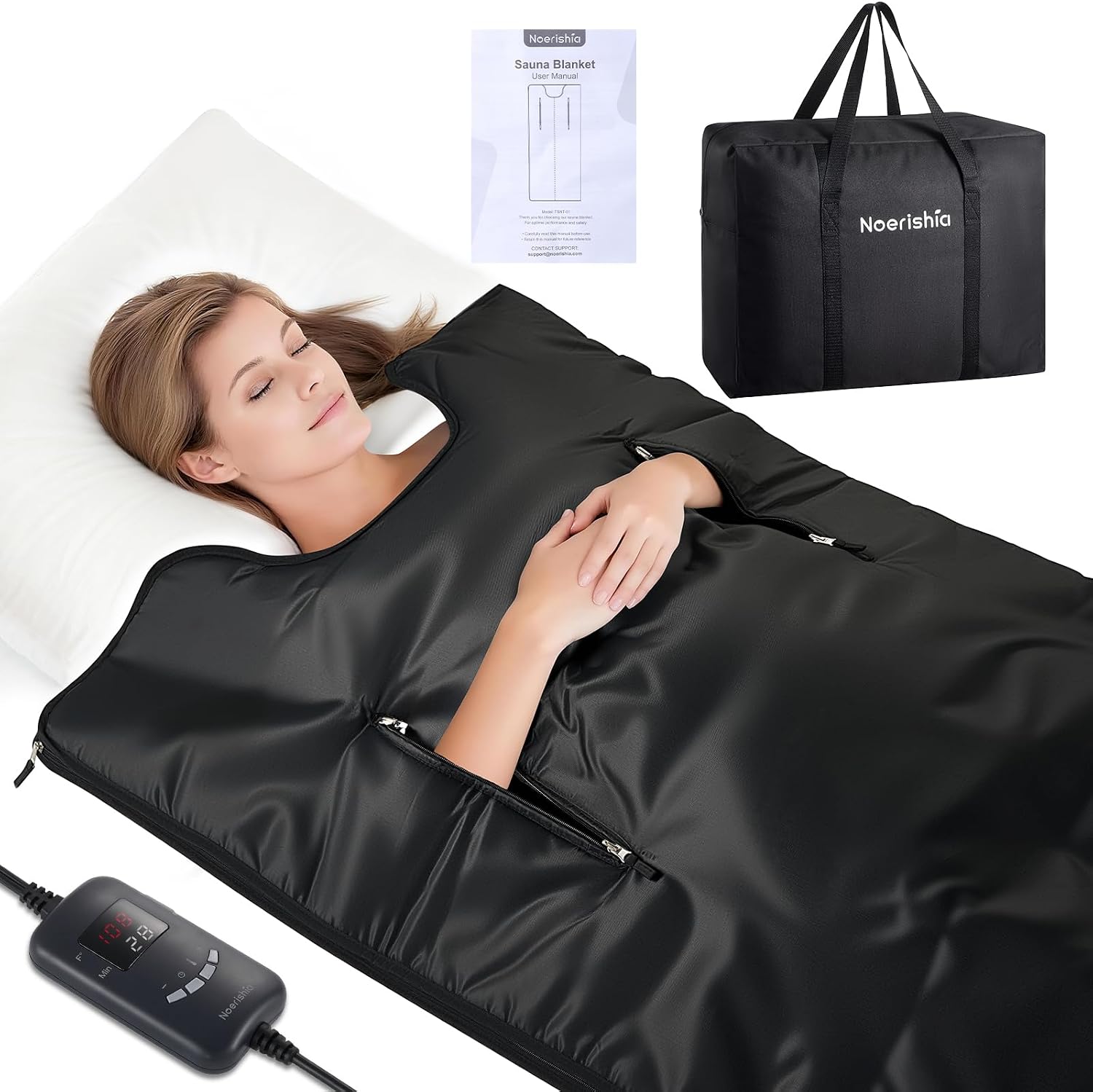
The noerishia Portable Infrared Sauna Blanket is nearly identical to its sibling, with slightly better temperature control. If you're choosing between the two noerishia units, get this one.
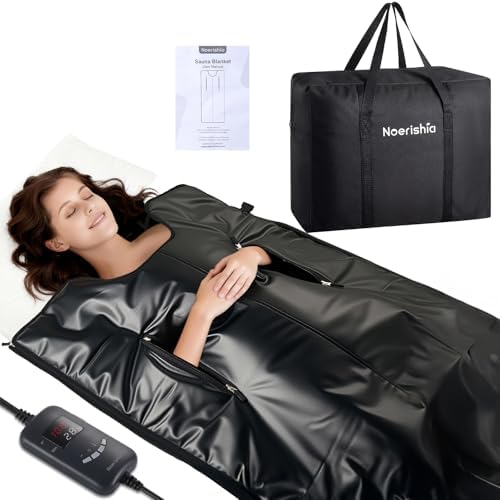
The TOREAD Sauna and Cold Plunge Combo Far Infrared is the upgraded version of my top pick, with far infrared heating instead of the standard carbon fiber. It's about ~$60 more and heats up marginally faster. The standard version is the better value.
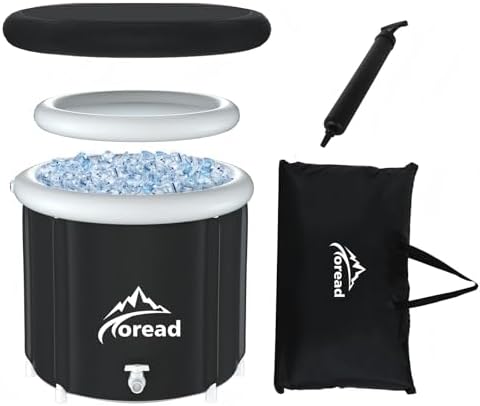
Should you buy the TOREAD combo?
If you're a traveler who wants to stretch your money and you don't have room for two separate recovery tools, yes. The TOREAD combo is the best value in the category, and the fact that the zipper hasn't failed after 30 uses puts it ahead of blankets that cost twice as much.
If you have the space and the budget for a dedicated sauna blanket, get the HeatHealer. The deep heat is worth the weight. And if you're a HigherDOSE loyalist, I understand. The high is real. But at ~$700 with a remote that dies in a week, you're paying for the marketing, not the reliability.
One humanizing aside: my girlfriend thinks I'm insane for weighing myself before and after every session. Waffles doesn't care. He just lies on the floor next to me while I sweat, and that's enough.