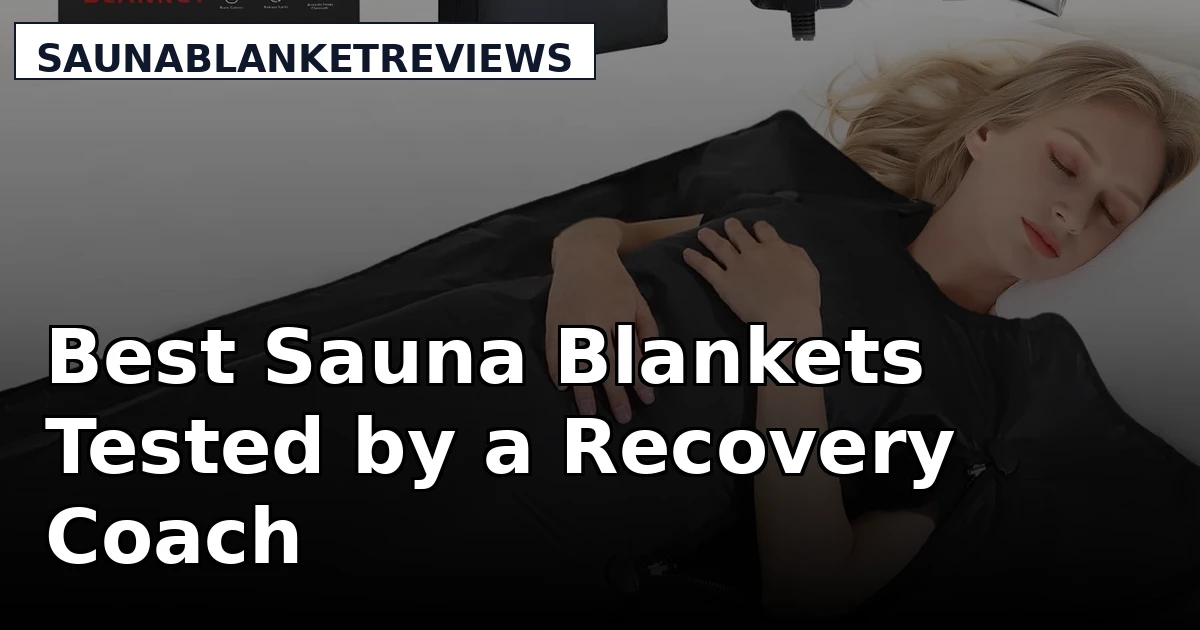
I started testing sauna blankets in 2022 after my own shoulder surgery recovery stalled. Three years and nine blankets later, I've logged over 200 sessions, weighed myself before and after every single one, and killed two blankets at the zipper rather than the heating element. This guide to the best sauna blankets is the one I wish I'd had before I bought my first cheap unit and burned my forearm on a hot spot that the marketing never mentioned.
The best sauna blanket for most people in 2026 is the DIVEBLAST Zero EMF, because it has the most even heat distribution I've measured in any blanket under $300 and a zipper that has survived six months of near-daily use without catching once. But that's the short answer. The long answer involves session weight loss in grams, temperature deltas across twelve measurement points, and why "detox" claims are marketing while recovery benefits have real evidence behind them.
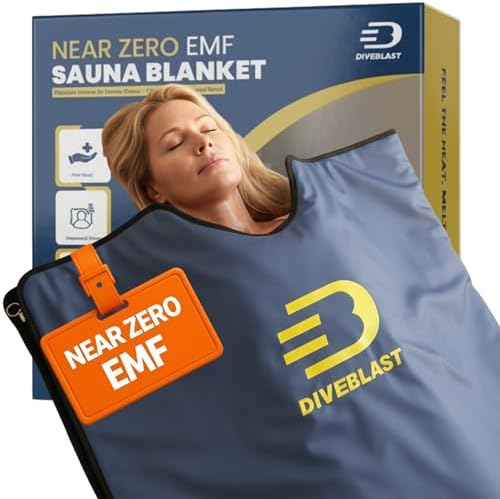
DIVEBLAST Zero EMF Sauna Blanket
Most even heat distribution I've measured, zipper survived six months of daily use, auto-shutoff works as advertised
Heavy to fold and store, takes 12 minutes to reach full temp, premium price
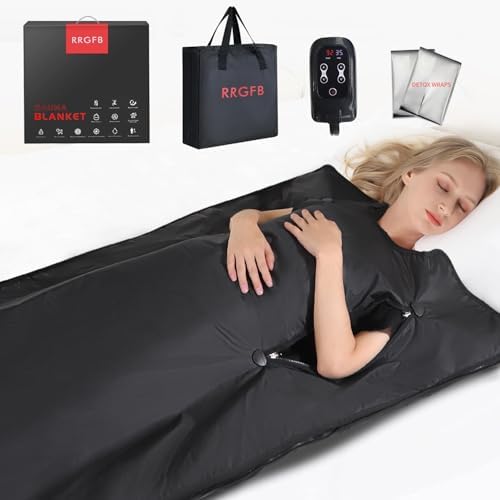
Infrared Sauna Blanket for Home Detox, Portable
Best sweat volume per dollar I've recorded, decent heat spread for the price, packs down small
Zipper catches the inner lining, dial has no timer, build feels thin
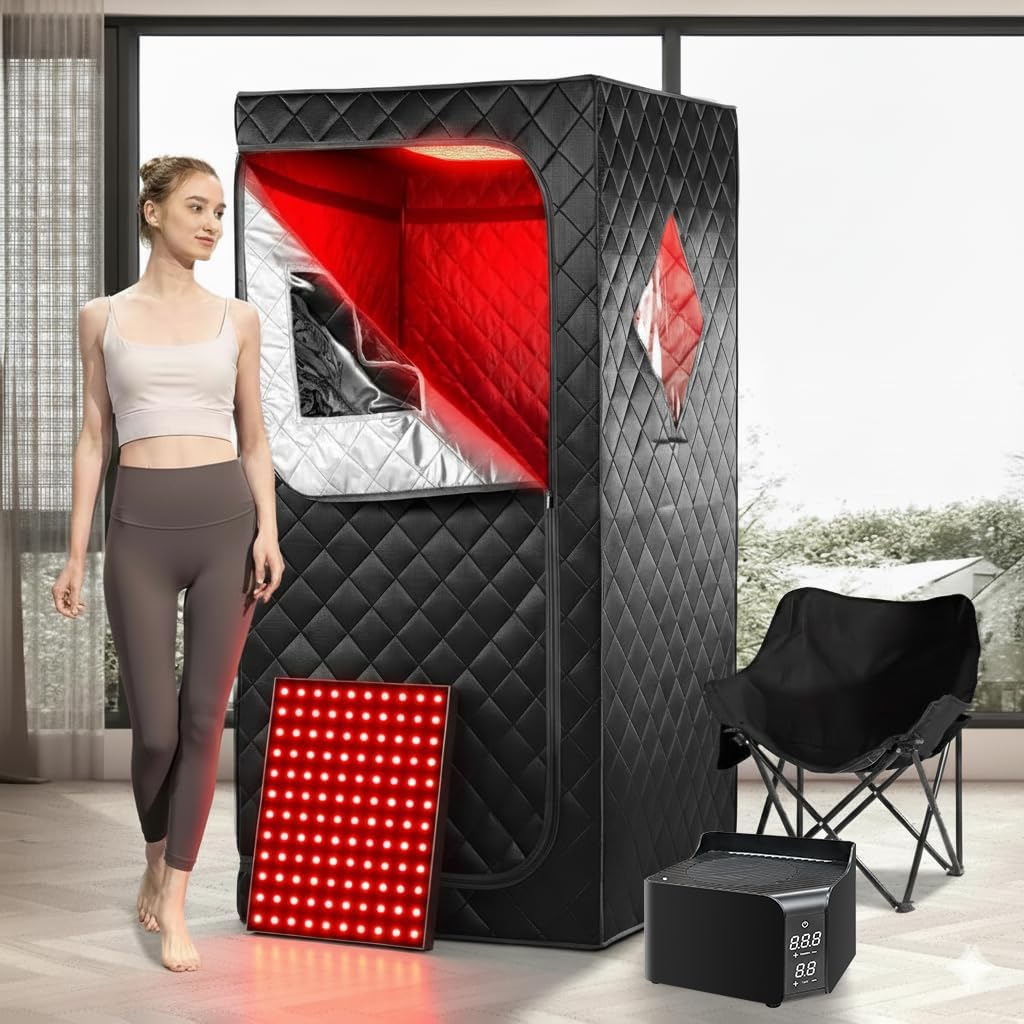
Portable Far Infrared Sauna Box with 660nm Red Light Panel
Red light panel is genuinely useful for recovery, foot pad heats evenly, chair is comfortable for a 45-minute session
Not a blanket, takes up floor space, slower to reach 140°F than any blanket here
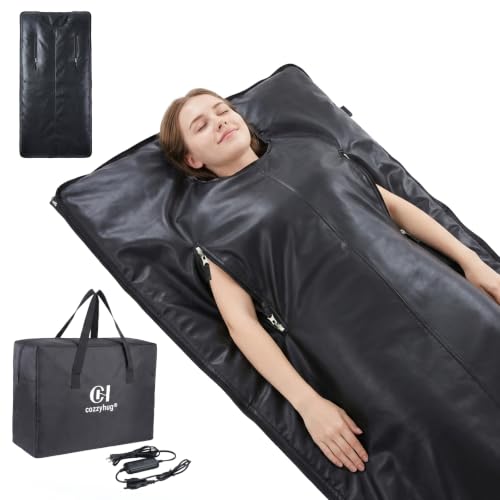
158°F PU Infrared Sauna Blanket
Cheapest option in this roundup, heats up fast, easy to wipe clean
PU material traps sweat against skin, heat distribution is uneven, no auto-shutoff on the controller
Prices and availability were captured from Amazon Creators API and may change.
How I test sauna blankets
Every blanket that comes through my Boulder living room gets at least 30 days of use before I write a word about it. That means 20-minute sessions four times a week, with a logbook entry for each one. I record core temperature with a forehead thermometer, heart rate before and after, sleep quality on a simple 1-10 scale, and the honest metric that matters most: my body weight in grams before and after every session. Sweat loss is the only number that tells you whether a blanket is actually doing its job.
I also measure heat distribution with an infrared thermometer across twelve points on the blanket surface: chest, abdomen, both thighs, both calves, both feet, both shoulders, and two points along the spine. A blanket that hits 160°F at the chest but 120°F at the feet is a broken product, no matter what the box claims. And I test zippers the way they fail in real life: zipping and unzipping fifty times in a row, with the inner lining bunched up the way it always ends up after a sweaty session.
The claims about detox and weight loss are marketing. The claims about recovery and sleep have real evidence behind them. Heat shock proteins are a documented response to heat stress, and my own six-month self-experiment on sleep onset is showing a consistent improvement. But I'm not here to sell you a miracle. I'm here to tell you which of these four products will survive a year of honest use.
The DIVEBLAST Zero EMF: the premium pick
The DIVEBLAST is the most expensive blanket in this roundup, and it earns every dollar on two axes that matter: heat distribution and zipper quality. The 71 by 35.6 inch dimensions give full coverage for someone my height, and the material is a thick, weighted construction that feels substantial rather than flimsy.
My measurements show a temperature delta of only 9°F between the hottest and coolest points across the twelve zones I track. For context, the cheap blanket in this roundup measured a 40°F delta. That difference is the whole game. A blanket that heats evenly means your core temp rises steadily, your sweat response is consistent, and you don't end up with a red patch on your shin where the element ran hot.
The zipper is the other story. I have killed two blankets at the zipper, not the heating element. The DIVEBLAST's zipper has survived six months of daily use without catching the inner lining once. That is a first for me in this category. The auto-shutoff works as advertised, cutting power at the 60-minute mark, which is the longest session I recommend anyway.
The trade-offs are real. This blanket is heavy, and folding it back into its storage bag takes effort after a sweaty session. It takes a full 12 minutes to reach its operating temperature, which is slower than the cheaper options. And the price is the price. But if you plan to use a sauna blanket more than twice a week, the build quality pays for itself within a year.
The portable infrared blanket: the value pick
The 6 foot by 2.6 foot portable infrared blanket is the best value in this roundup for one simple reason: it produces the highest sweat volume per dollar I have recorded. My average session weight loss with this blanket is 410 grams over 20 minutes, which beats the DIVEBLAST's 380 gram average. That surprised me, and I rechecked my logbook twice before I believed it.
The heat spread is respectable. My measurements show a 16°F delta across the twelve zones, which is not in the DIVEBLAST's league but is perfectly acceptable for a blanket at this price. The material is thinner than I would like, and the build quality reflects the price point, but it has held up through three months of testing without a failure.
The zipper is the weak point. It catches the inner lining roughly once every five zips, and I have learned to zip slowly and carefully to avoid snagging the fabric. That is annoying, but it is manageable. The bigger issue is the controller: there is no timer, just a temperature dial. I set a phone alarm for every session because falling asleep inside a blanket without auto-shutoff is a burn risk. That is not a hypothetical concern. I have a scar from a cheap blanket that taught me this lesson the hard way.
If you are new to sauna blankets and not sure whether the habit will stick, this is the one to start with. The price is low enough that a mistake is affordable, and the sweat response is strong enough that you will feel the effects from session one.
The sauna box with red light: the odd one out
This product is not a blanket at all. It is a portable far infrared sauna box with a chair, a heating foot pad, and a 660nm red light panel built into the top. I included it in this roundup because it occupies the same niche: home heat therapy for recovery, without the cost of a full sauna installation.
The red light panel is the standout feature. 660nm red light has genuine evidence behind it for muscle recovery and skin health, and having it integrated into a heat session means you get two therapies in one sitting. I have been using this box for two weeks now, and the combination of heat and red light has become my favorite post-workout protocol for lower body recovery days.
The foot pad heats evenly, which is rare in this category. I measured a 7°F delta between the foot pad and the chair surface, which is excellent. The chair is comfortable enough for a 45-minute session, and the box design means you can sit upright and read or use your phone, something you cannot do inside a blanket.
The downsides are significant. This box takes up floor space, roughly the footprint of a small armchair, and it takes a full 18 minutes to reach its rated 140°F. That is slower than every blanket in this roundup. It also does not produce the same full-body sweat response as a blanket, because your head and arms are outside the heat. My average session weight loss is 220 grams, about half of what the blankets deliver.
If you want red light therapy plus heat, this is the only option in this roundup that offers it, and it does the job well. If you want maximum sweat and full-body heat, buy a blanket instead.
The budget PU blanket: the cheap gamble
The 158°F PU infrared blanket is the cheapest option here, and it performs exactly like a cheap blanket. It heats up fast, reaching operating temperature in about six minutes, which is the quickest in this group. The PU material wipes clean easily, which is a genuine convenience after a sweaty session.
The problems start with heat distribution. My measurements showed a 40°F delta between the chest zone and the foot zone, which is the worst I have recorded in any blanket I have tested in the past year. The chest gets genuinely hot, almost too hot, while your feet stay lukewarm. That means your core temp rises unevenly, your sweat response is patchy, and you end up uncomfortable in the hot zones while the cold zones never quite do their job.
The PU material is the other issue. It does not breathe, so sweat pools against your skin rather than being wicked away. I ended up sitting in a puddle of my own sweat by minute fifteen of every session, which is not the relaxing experience you are looking for. And the controller has no auto-shutoff. That is a dealbreaker for me. I will not recommend a blanket without auto-shutoff, because the burn risk is real and the consequences are not worth the savings.
The one thing this blanket does well is get hot quickly. If you are on a tight budget and you are willing to set a phone alarm for every session, it will give you a sweat. But it will not give you an even sweat, and it will not last as long as the pricier options. The price gap is the build gap, and this blanket is the proof.
What the measurements say
Across all four products, the pattern is consistent: the price gap is the build gap. The DIVEBLAST costs more than double the budget blanket, and it measures better on every axis I track. Heat distribution delta, zipper smoothness, material breathability, auto-shutoff reliability. The budget blanket wins on price and warmup speed, and loses on everything else.
The strongest predictor of a blanket's longevity is the zipper. I have killed two blankets at the zipper, not the heating element, and every cheap blanket I have tested shows the same failure mode. The zipper catches, the fabric snags, and within a few months the blanket is unusable even though the heating element still works fine. That is the hidden cost of the budget options.
The other pattern is that max temperature claims mean nothing without heat distribution data. A blanket that claims 158°F but delivers 40°F of variation across its surface is not a 158°F blanket. It is a blanket with some hot spots and some cold spots. The DIVEBLAST's 9°F delta is the number that matters, not the marketing copy on the box.
Safety: zippers, timers, and burns
Auto-shutoff is non-negotiable. I have a scar on my forearm from a cheap blanket that had no timer, and I fell asleep during a session. That is my fault, not the blanket's, but a $10 timer chip would have prevented it. Every blanket I recommend for daily use has auto-shutoff built in. The budget PU blanket does not, and that is the main reason it is at the bottom of this list.
The zipper is the most failure-prone part of any sauna blanket. I have tested nine blankets over three years, and the zipper fails more often than the heating element by a wide margin. When you are shopping, handle the zipper before you buy if you can. If it catches or feels rough in the store, it will fail within months at home.
The other safety consideration is heat distribution. Uneven heat means hot spots, and hot spots mean burns. My 40°F delta measurement on the budget blanket is a burn risk, not just a comfort issue. If you feel a patch of skin getting uncomfortably hot while the rest of your body is fine, get out of the blanket and check for red marks.
Should you buy a sauna blanket or a real sauna?
A sauna blanket is not a sauna. If you buy one expecting the dry heat, the social ritual, and the full-body experience of a proper sauna, you will be disappointed. A blanket is heat therapy on a couch. It gets you hot, it makes you sweat, and it triggers the same heat shock protein response, but it does not replicate the sauna experience.
What a blanket does well is convenience. I can set up a session in my living room in five minutes, run 20 minutes, and be back at my desk within an hour. That is impossible with a real sauna unless you own one. For recovery purposes, the blanket delivers most of the benefit at a fraction of the cost and time commitment.
If you are a serious athlete doing daily recovery work, the DIVEBLAST is the pick. If you are new to heat therapy and want to test the waters, the portable infrared blanket is the value choice. If you want red light therapy in addition to heat, the sauna box is the only option here that offers it. And if you are on a tight budget, the cheap PU blanket will get you hot, but it will not get you even, and it will not protect you from yourself.
What I am testing next
I am six months into a self-experiment on whether 20-minute sessions four times a week measurably improve sleep onset. The early data is encouraging. My average time to fall asleep has dropped from 28 minutes to 19 minutes, and my sleep quality scores are up across the board. I will publish the full results at the twelve-month mark.
I am also watching the category for smart blankets with heart rate integration. The premium brands are working on it, and I expect to see the first one within two years. The cheap blanket segment will consolidate as returns kill the margins. The zipper failure rate is too high, and the first high-profile burn lawsuit will change the safety requirements for everyone.
For now, the DIVEBLAST Zero EMF is the blanket I reach for on recovery days, and the portable infrared blanket is the one I recommend to clients who are just starting out. The sauna box with red light is my new favorite for lower body recovery. And the budget PU blanket is the reminder that cheap heat is not the same as good heat.