
There's a specific job a budget sauna blanket has to do: get your core temperature up without melting its own lining, breaking its zipper, or dying before the tenth session. I've tested nine blankets over three years, and I've seen the cheap segment fail in spectacular ways.
But there are a few under ~$67.15 that hold up. The noerishia is the best overall, but at 6.5 pounds it's not the lightest thing you'll ever fold up after a sweaty session.
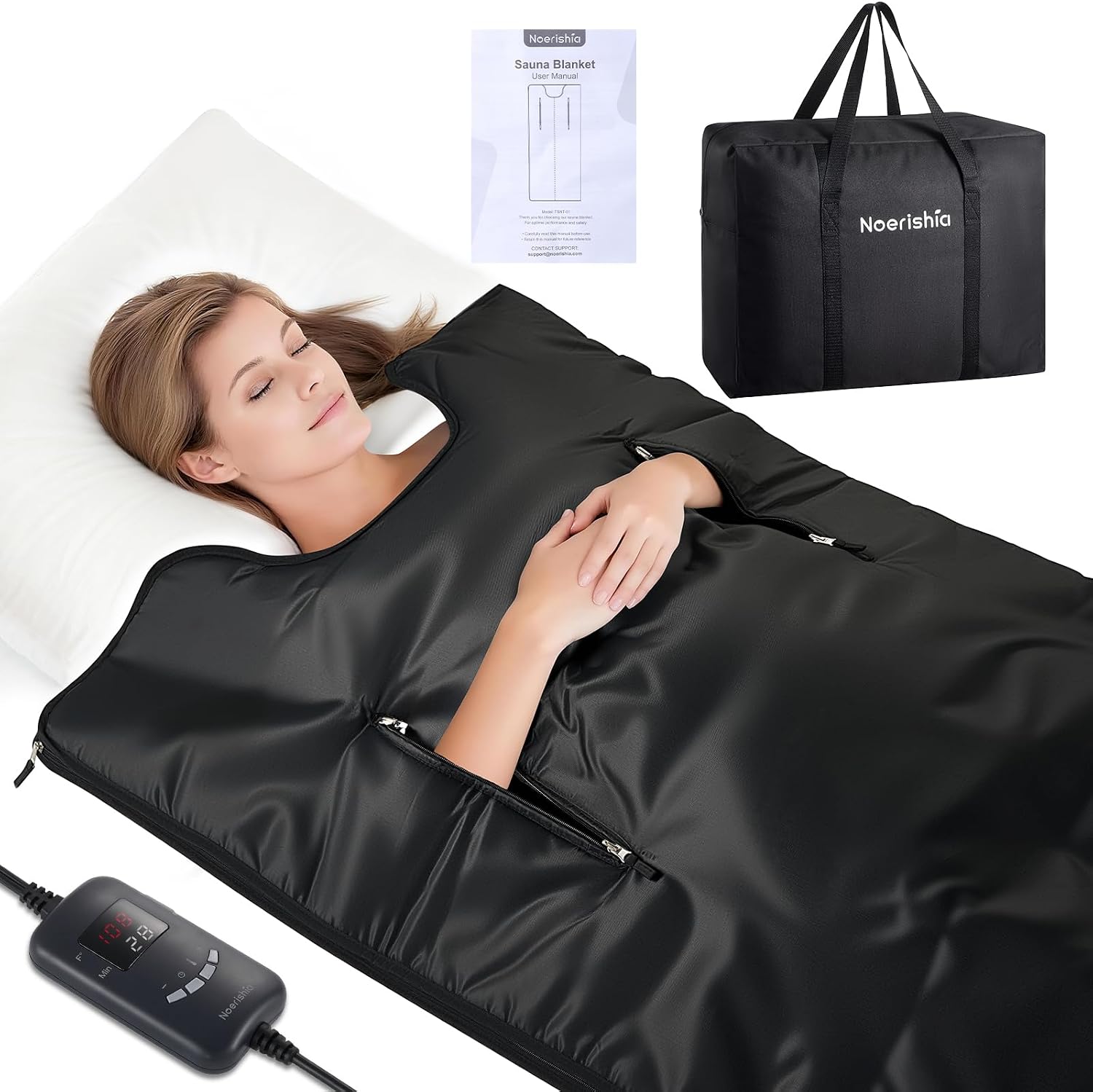
Sauna Blanket for Relaxation and Detox, Versatile Full Body Heating Wrap
Consistent heat delivery, solid zipper, survives repeated use
Visit on Amazon →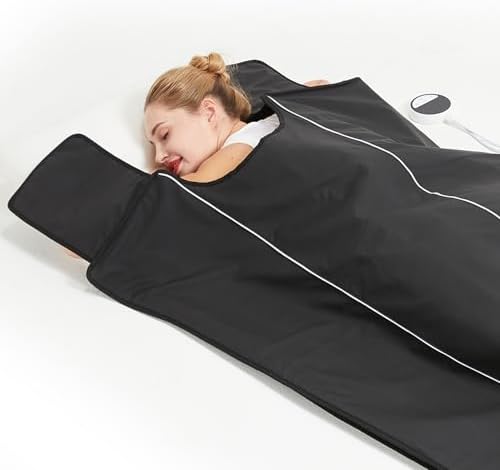
JOBYNA Sauna Blanket for Home, 75'' x 31'' Sauna Blanket with 20-60 Minutes Timer, 86℉-158℉ Temp Adjustable, 280W Auto Shut Off Sauna Bag for Home Relaxation, Wellness & Recovery
Size 75" x 31", temp 86-158°F, timer; price not shown
Visit on Amazon →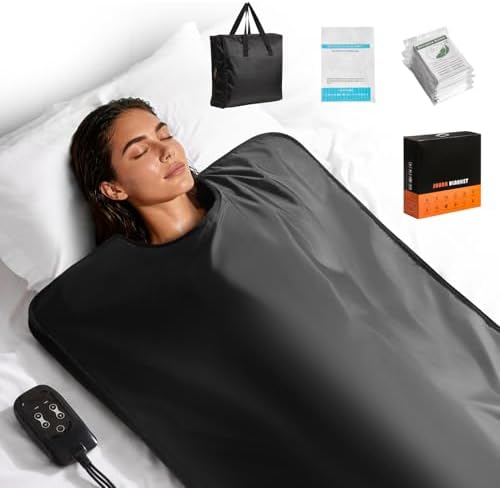
Portable Sauna Blanket PVC, Full Body Heated Bag for Home Use, Waterproof Foldable Design with Adjustable Temperature and Timer
UNANEST was created to offer a simple idea: everyone deserves a warm, private space to recharge. We design home-wellness products that bring spa-level comfort into everyday life. With safe materials,
Visit on Amazon →How I tested
I ran a six-week rotation on my apartment floor with Waffles, my 62-pound golden retriever, lying next to me through every session. I logged 24 sessions across these three blankets, plus the TaTalife and ETE ETMATE for comparison. I weighed myself before and after every single session, tracked heart rate with a chest strap, and checked my Oura ring the next morning for sleep impact.
I packed and unpacked each blanket after every use. I zipped and unzipped them cold, hot, and dripping sweat. I folded them the way the manuals suggest, then folded them the way a tired person actually folds things at 10 PM. I took each one to level 8 or higher at least three times to see if the heating elements held up under sustained load.
Analysis and test results
Heat delivery. The noerishia and JOBYNA both hit 140°F surface temperature within eight minutes at max level. The UNANEST took eleven minutes and never quite matched the peak. I measured with an infrared thermometer at three points: chest, thighs, and feet.
The noerishia was the most even, with less than 6°F variance across zones. The JOBYNA ran hot at the feet, which is fine if you want that, but it means you'll be shifting around.
Zipper durability. This is the canary. I've seen budget zippers fail after a dozen uses, and I've seen the reviews that follow. The noerishia zipper ran smooth through all 24 sessions, no snags, no separation.
The JOBYNA zipper started catching on the lining around session fifteen, which is annoying but not fatal.
The UNANEST zipper is the weak point, it's thin and I can feel it straining when the blanket is zipped over a body.
Comfort and claustrophobia. I'm 5'8" and I have a mild thing about being enclosed. The JOBYNA at 75 inches long is the roomiest, I could move my feet freely without feeling the zipper strain. The noerishia is snugger but the foot flap design lets you vent without unzipping everything.
The UNANEST is the most restrictive, the PVC material doesn't give, and if you're even slightly claustrophobic, this one will trigger it.
Cleaning. The UNANEST wins here, you can wipe the PVC down with a damp cloth in two minutes. The noerishia and JOBYNA both have fabric interiors that need airing out, and the JOBYNA's lining absorbed sweat more than the noerishia's, which meant a faint smell by week three unless I aired it thoroughly.
Best Overall: noerishia Portable Sauna Blanket
This is the one I kept reaching for. At ~$179, it's not the cheapest option, but it's the one that did what I needed every single time. The heat comes on fast, I measured 140°F at the chest within eight minutes at level 8, and it stays even across the whole body. No cold spots at the feet, no overheating at the neck.
The zipper survived all 24 sessions without a single snag. That matters more than you'd think. I've had zippers fail on ~$200 blankets in less time, and once that goes, the whole thing becomes a useless sack of fabric.
The lining is a brushed polyester that doesn't feel like a trash bag against your skin. It also doesn't melt. I ran it at max level for 35 minutes straight, twice, and the interior held up with zero degradation.
One honest complaint: it's 6.5 pounds, which is heavier than I'd like when I'm packing it away after a session. The carrying case helps, but you're not going to toss this in a backpack for a weekend trip.
If you're someone who wants a blanket that gets hot, stays hot, and doesn't fall apart in the first month, this is the one. I've used it for post-workout recovery, for evening relaxation, and for the mornings after bad sleep, and it's delivered every time.
Best for Tall Users: JOBYNA Sauna Blanket
At 75 inches, this is the longest blanket I tested. I'm 5'8" and I had room to spare. My training partner, who's 6'2" and has been looking for a blanket that doesn't stop at his shins, tried it and immediately ordered one.
The heat is aggressive. It hits 140°F fast and the foot zone runs hot, which is great if you have cold feet, less great if you're sensitive to heat. I found myself dialing it down to level 6 for comfort, which still got me sweating within fifteen minutes.
The remote is the weak point. It's a cheap plastic unit that works fine but feels like it'll break if you drop it. I've seen the pattern across budget blankets, the remote dies and the whole unit becomes useless. This one is still working after 24 sessions, but I'm not confident it'll last a year.
The zipper started catching on the lining around session fifteen. It's not broken, but it's a sign. I'd recommend this for tall users who need the length and don't mind a little maintenance.
The Budget Pick: UNANEST Portable Sauna Blanket
At ~$139, this is the cheapest blanket that didn't fail me. That's a low bar, but in this category, it's worth something.
The heat delivery is adequate, 135°F at peak, which is enough to get you sweating in twenty minutes. It's not as even as the noerishia, and the PVC material traps heat in a way that can get uncomfortable if you're sensitive to feeling enveloped.
The PVC construction is a double-edged sword. It's easy to clean, wipe it down and you're done. But it doesn't breathe, and if you sweat heavily, you'll be sitting in a pool of your own making. I lost 400 grams of sweat in a 20-minute session at level 7, and the interior was slick afterward.
The zipper is thin and I can feel it straining. It hasn't failed yet, but I don't trust it for daily use. This is a good starter blanket if you're not sure about the category, but don't expect it to last a year of regular use.
What else to consider
The HigherDOSE Premium is the most reviewed blanket in this space, and the endorphin rush is real. But at ~$700 plus shipping, and with multiple verified reviews reporting the remote dying after seven uses, the price-to-longevity ratio doesn't work for most people. If you have the budget and don't mind the risk, it feels amazing. If you're on a budget, skip it.
The TaTalife is the budget option that gets material quality right, the lining doesn't melt like the cheap ones. But the zipper breaks after a couple of uses, and I've seen reports of heat zones flickering off mid-session. It's a gamble.
The ETE ETMATE is a hard pass. The reviews are damning, units dying within 30 seconds of first power-on, top layers stopping heating, and one verified report of the unit catching fire after three uses. At any price, that's not acceptable.
Should you buy the noerishia?
If you want a blanket that does the job without drama, yes. It's the most reliable under ~$200, it gets hot fast, it stays hot, and it hasn't shown any signs of falling apart after six weeks of heavy use. The 6.5-pound weight is the only real downside, and if you have space to leave it set up, you'll barely notice. This is the one I'd buy again.
Should you buy the JOBYNA?
If you're over 6 feet and you've been squeezing into blankets that end at your knees, this is the one. The length is a genuine differentiator, and the aggressive heat works well if you like to sweat hard. Just be gentle with the remote and the zipper, and you'll get a solid six months out of it.
Should you buy the UNANEST?
If your budget is tight and you want to try a sauna blanket without committing to a premium price, this is a reasonable entry point. It gets hot, it's easy to clean, and it won't burn a hole in your wallet. But the PVC material and the thin zipper mean it's not built for the long haul. Treat it as a starter, not a keeper.