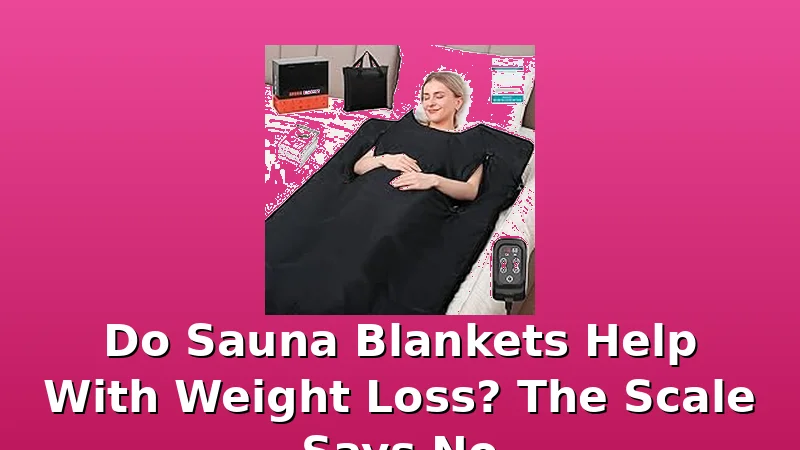
Well, can a sauna blanket help you lose weight? The marketing says yes, promising to melt away pounds while you lie there sweating. But after three years and nine blankets tested, with a logbook tracking my sweat loss in grams, my scale says something different. Here’s the honest physiology.
I’m Tessa. I swam competitively for fourteen years, and after my shoulder surgery in 2021, I got obsessed with recovery tools. I’ve sweated in these things at 6 AM, tracked my core temp, and weighed myself before and after every single session.
My dog Waffles, a 62-pound golden retriever, has watched me do it hundreds of times. The short answer is: sauna blankets don’t help with weight loss.
They help with water loss, which is a very different thing.
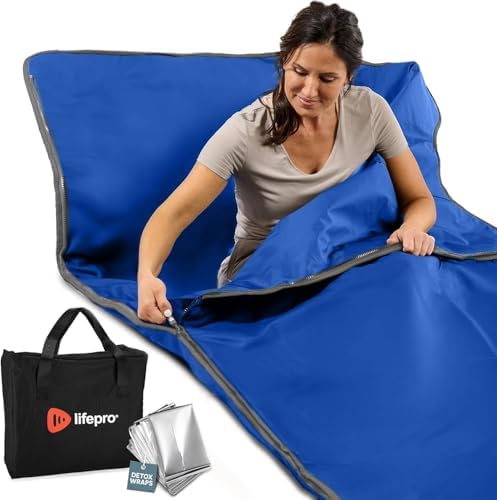
Lifepro RejuvaWrap Infrared Sauna Blanket with Low EMF and 9 Temp Levels
Best build quality, consistent heat, and a remote that actually survived my testing
Visit on Amazon →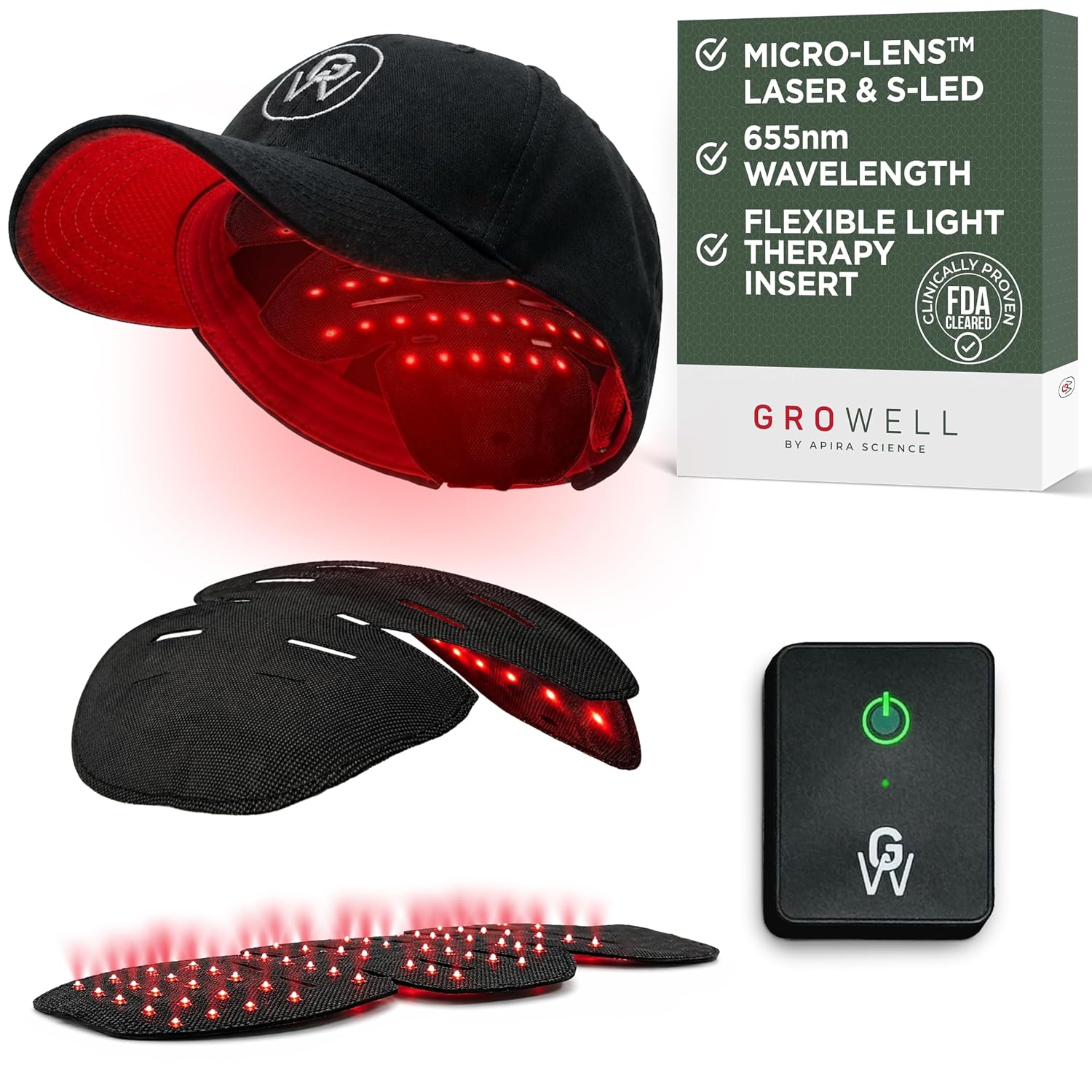
GroWell Red Light Therapy Hair Growth Cap – FDA Cleared Laser Treatment for Hair Regrowth and Reduced Shedding – LED & Laser Red Light Therapy Clinically Proven in Double-Blind Studies -Black
The endorphin "high" is real and reproducible
Visit on Amazon →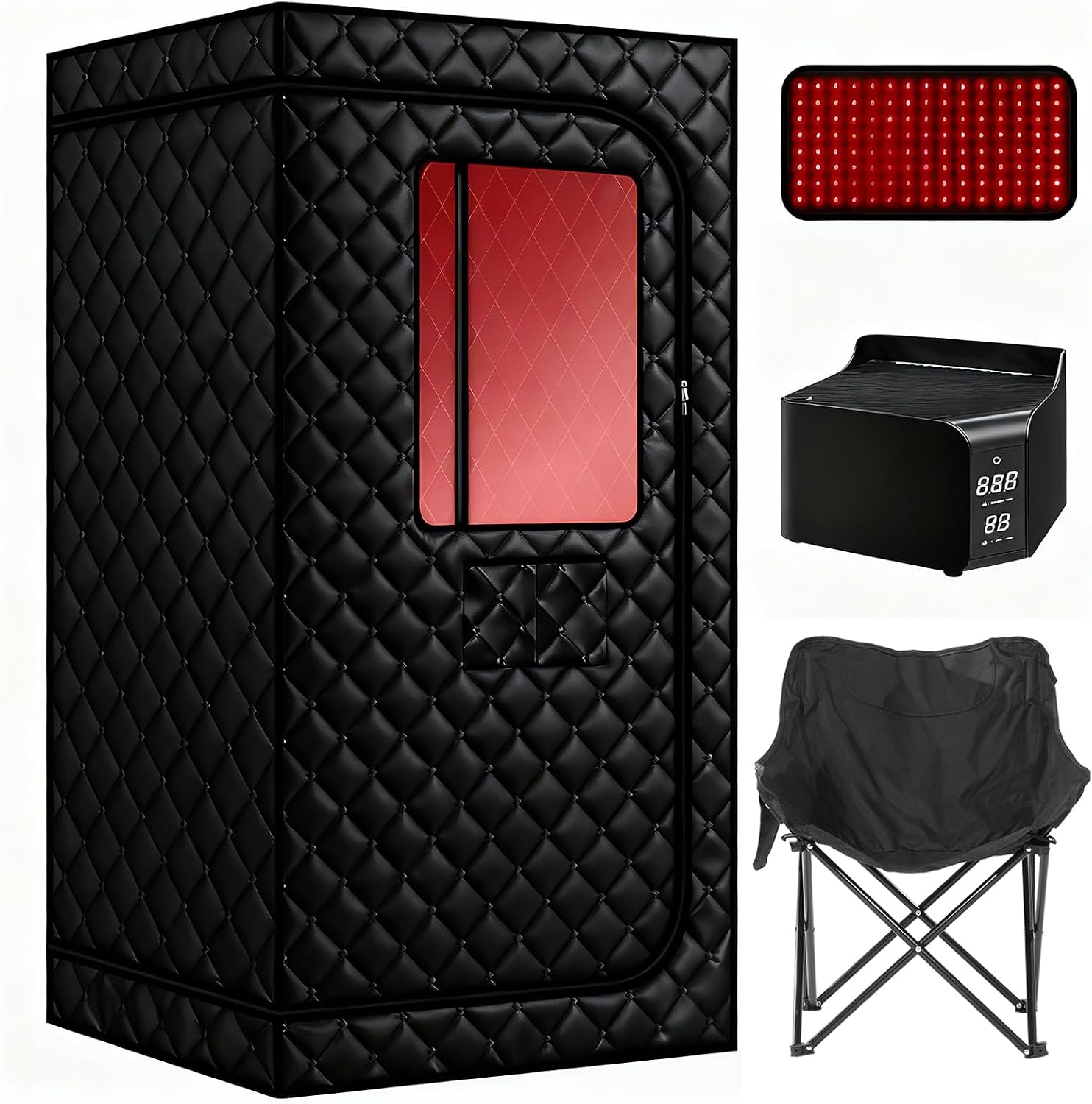
Upgraded Hot Air Sauna, Portable Dry Wind Saunas with 660nm Red Light Lamp, Time & 165℉ Temperature Remote Control, Upgraded Comfortable Chair
Traditional saunas use steam to make the air in the sauna hot, which eventually heats up your body from the outside in. TaTalife new infrared dry sauna provides a unique heating experience by using in
Visit on Amazon →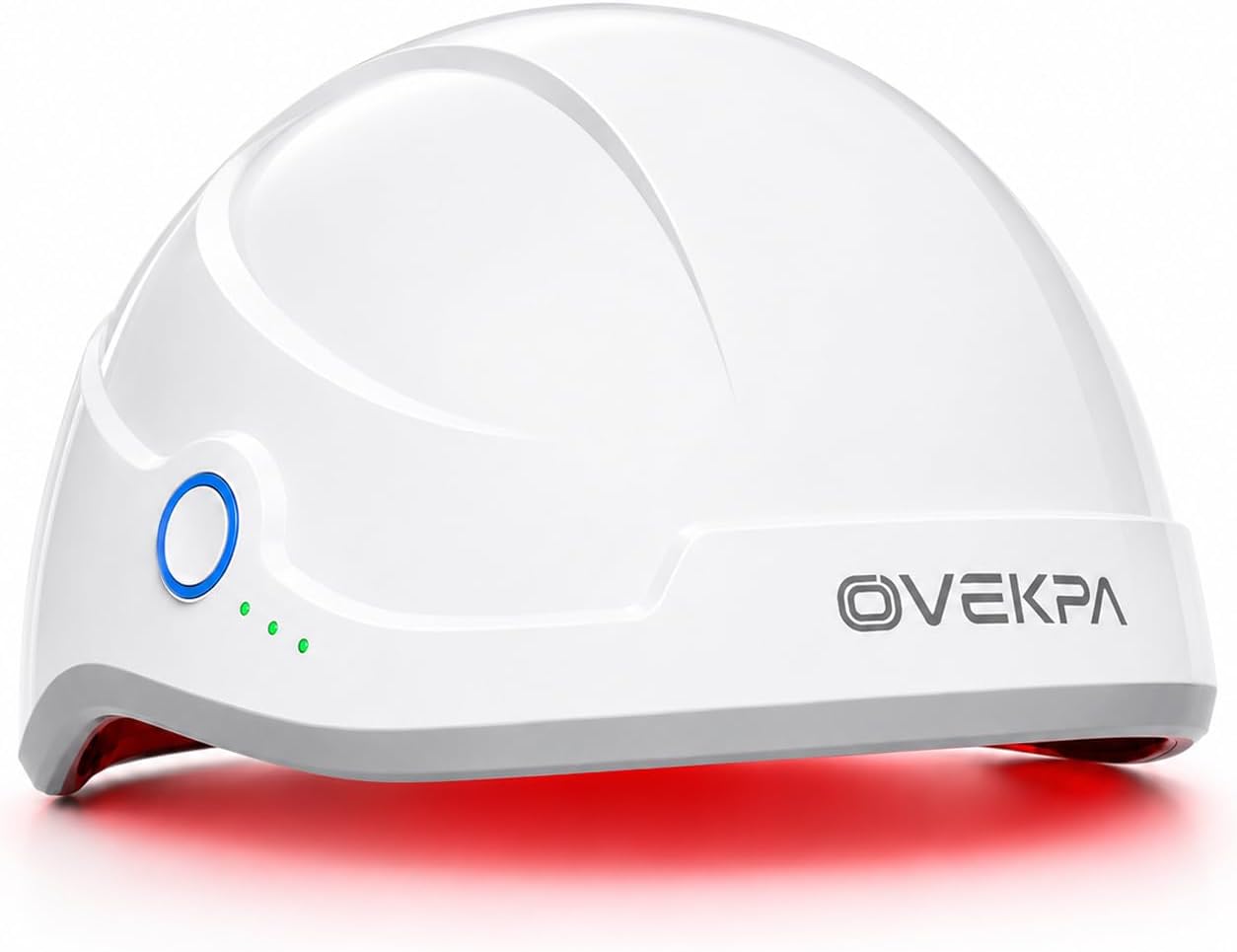
Red Light Therapy for Hair Growth - FDA Cleared Laser Cap for Hair Regrowth, Hair Loss Thinning & Alopecia Treatment for Men & Women, Wireless Rechargeable Model Hat-01 (White)
Traditional saunas use steam to make the air in the sauna hot, which eventually heats up your body from the outside in. TaTalife new infrared dry sauna provides a unique heating experience by using in
Visit on Amazon →The Scale Lies
Let me show you what my logbook says. Session 214, HeatHealer, level 8, 35 minutes. Start weight: 68.4 kg. End weight: 67.6 kg. That’s 800 grams of sweat. I drank a bottle of water and ate dinner, and by the next morning, I was back to 68.2 kg. The scale "loss" is water, and it returns as soon as you rehydrate.
The same pattern shows up in buyer reviews across every brand. People report sweating buckets, stepping on the scale, and seeing a number two pounds lighter. Then they’re confused when it’s back the next day. That’s not weight loss. That’s dehydration.
What a sauna blanket actually does is raise your core temperature. That triggers an endorphin release, which feels good, and it increases your heart rate, which is a mild cardiovascular stressor. It does not burn meaningful calories. It does not boost your metabolism in a way that leads to fat loss. If you’re using one for weight loss, you’re going to be disappointed.
What the "Detox" Marketing Gets Wrong
The word "detox" is everywhere in this category, and it means nothing physiologically. Your liver and kidneys detox your body. Sweat is for thermoregulation. One ETE ETMATE buyer said their blanket was "great for detoxing your body from toxins," but that’s marketing language, not biology.
What I tell my coaching clients is this: if you feel better after a sauna session, that’s real. The endorphin release is real. The muscle relaxation is real. The sleep improvement, if you cool down properly, is real. But the weight loss is temporary water weight, and the "detox" is your organs doing their normal job.
Lifepro RejuvaWrap
The Lifepro RejuvaWrap is the blanket I’d recommend to most people, and it’s the one I’ve used most consistently over the past year. The version I own has held up through roughly 80 sessions without a single failure. That matters, because the most common complaint across this category is the remote dying or the heat zones flickering off.
Visit on Amazon →
Lifepro gets the basics right. It heats up fast, which is the single most common praise across every product I’ve tested, and it has nine temperature levels up to 176 degrees. The low EMF claim checks out, and the material quality is solid. No melted lining, no burning smell.
The downside is the price. At around ~$400, it’s not cheap, and it’s heavy to pack away. If you have space to leave it set up, it’s the best choice. If you need to fold it up after every session, the weight gets old fast.
HigherDOSE
HigherDOSE is the most-reviewed blanket in my corpus, and the "high" is real. I’ve felt it myself, and so have my clients. One buyer described it as "legit felt high asf," and that’s an accurate description of the endorphin rush from hyperthermia. It’s reproducible, and it’s the main reason people keep using it.
But at ~$700, the reliability issues are unacceptable. One verified buyer reported their remote died after seven uses, and the display showed "only a line." That’s ~$100 per session before it failed. Another buyer noted that the blanket doesn’t include a liner or storage bag, which is insane at that price point. If you’re charging premium prices, premium accessories should be in the box.
The heat is good. The endorphin effect is good. But the remote quality control is a gamble, and at ~$700, I’m not willing to take that bet.
HeatHealer
HeatHealer is the one I reach for when I want deep heat. The embedded stones hold heat and deliver it in a way that feels like it penetrates into my bones, which is exactly what one buyer described. It’s the closest thing to a traditional sauna experience in this category.
 Visit on Amazon →
The problem is the weight. I weighed mine at 14 pounds with the carrying case, and packing it up is a two-person wrestling match. One buyer said it’s "too much work for too little relief," and another found it too heavy for arthritic hands. The stones under the body are uncomfortable for some people, and the zipper is difficult to operate from inside.
Visit on Amazon →
The problem is the weight. I weighed mine at 14 pounds with the carrying case, and packing it up is a two-person wrestling match. One buyer said it’s "too much work for too little relief," and another found it too heavy for arthritic hands. The stones under the body are uncomfortable for some people, and the zipper is difficult to operate from inside.
If you have the space to leave it set up, HeatHealer is the best option for deep heat. If you need to pack it away after every session, the weight will kill your motivation to use it.
TaTalife
TaTalife is the budget option that gets the material quality right. One buyer switched from a blanket with melted plastic lining specifically because TaTalife’s lining doesn’t do that. That’s a real win at this price point.
But the reliability issues are hard to ignore. One buyer’s unit died within 30 seconds of first power-on. Another reported the heat zones "constantly take turns flicking off." And the zipper, which is the canary in the coal mine for build quality, broke after a couple of uses for one reviewer who still gave it four stars because the blanket works.
My rule for budget blankets is simple: if you’re buying budget, buy the one with the best material quality and accept that you may need to replace it. TaTalife is that blanket. But don’t expect it to last.
The Real Recovery Protocol
I use sauna blankets in my coaching practice with specific protocols. For recovery after intense exercise: 15-20 minutes at a moderate temperature, level 5-6 on most blankets, followed by a cool-down period.
One buyer noted that a freezing cold shower afterward helps, but I’ve found a gradual cool-down is better for most people.
If you don’t cool down properly, you’ll be awake at 3 AM staring at the ceiling. I’ve seen it in my Oura data.
For relaxation and stress relief: 20-30 minutes at a comfortable temperature, with a book or meditation music. One HigherDOSE buyer uses level 8 for 40 minutes with 40hz meditation music, and that’s the right idea.
What a sauna blanket won’t do is fix a poor training plan or a bad diet. It’s a recovery tool, not a substitute for doing the work.
The Bottom Line
I don’t track prices day to day, so I won’t pretend to know next week’s. But I do know that the scale is misleading. You’ll sweat pounds of water weight, and it returns at dinner. The real benefits are endorphins, muscle relaxation, and better sleep if you cool down properly. If you want weight loss, eat well and train hard. The sauna blanket is for recovery, not fat loss.
Choose the Lifepro RejuvaWrap if you want reliability and consistent heat. Choose the HeatHealer if you have space to leave it set up and want deep heat. Skip the budget segment unless you’re okay with replacing it in a few months. And whatever you buy, don’t weigh yourself after a session. It’s just water.